
Keeping a betta fish tank clean is essential for the health and longevity of Betta splendens. A clean tank provides a stable, toxin-free environment. This guide covers water changes, filtration, substrate cleaning, and parameter monitoring. When you learn it well, you’ll keep your aquatic companion thriving.
Understanding Betta Tank Ecology
The Nitrogen Cycle
This natural biological process converts toxic waste into less harmful substances:
- NH₃: Ammonia—highly toxic waste.
- NO₂⁻: Nitrite—toxic intermediary.
- NO₃⁻: Nitrate—Less toxic, removed by changes.
“The nitrogen cycle is a fundamental biological process in aquariums where beneficial bacteria convert harmful ammonia and nitrites, derived from fish waste and decaying organic matter, into less toxic nitrates.”
02 Essential Tools
There are several essential tools for your clean betta fish tank. They are vital for upholding water quality and recycling.
Water Siphon
Gravel vacuum for detritus removal.
Conditioner
The conditioner, such as Seachem Prime, neutralizes chlorine.
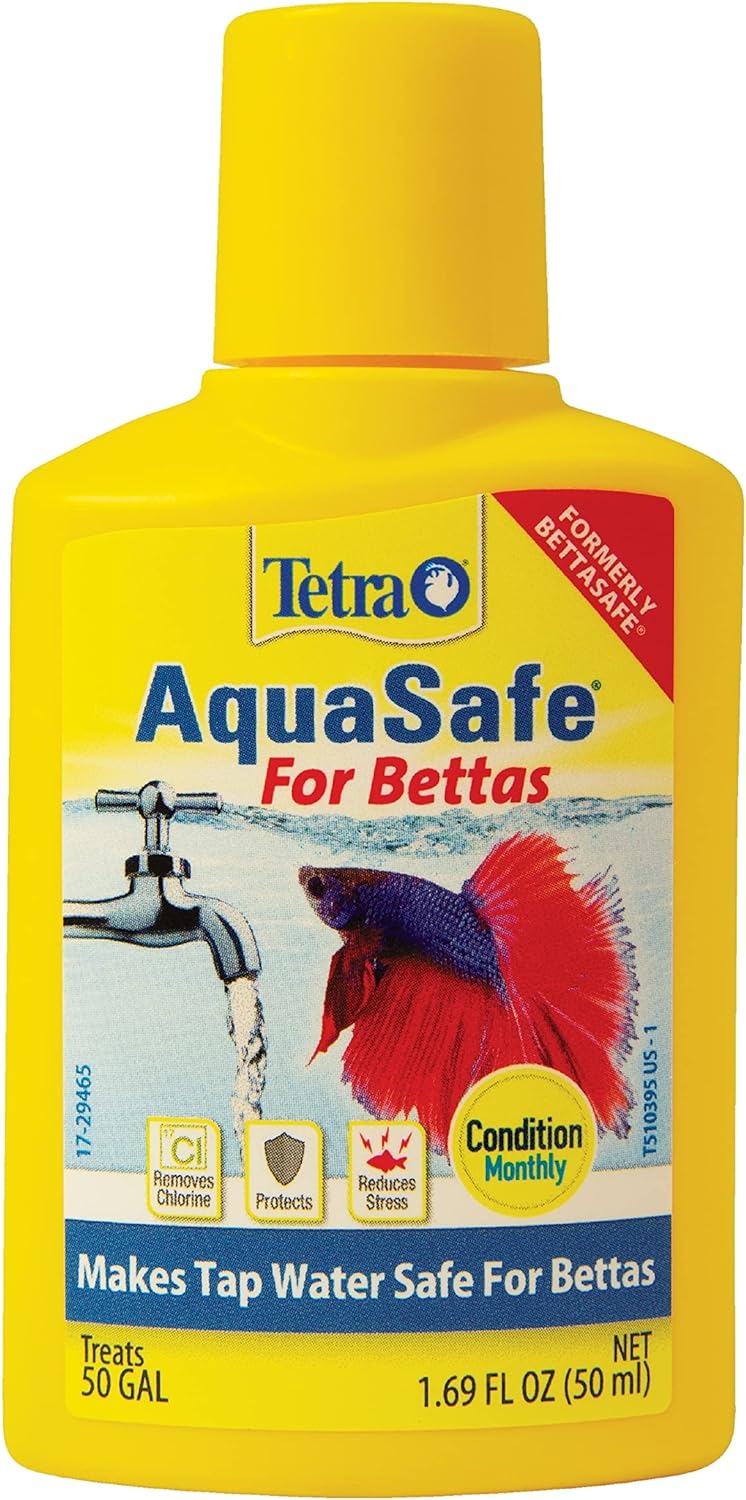
Tetra BettaSafe Aquarium Water Conditioner For Bettas
Master Test Kit
The Master Test Kit utilizes liquid-based testing to ensure high accuracy.
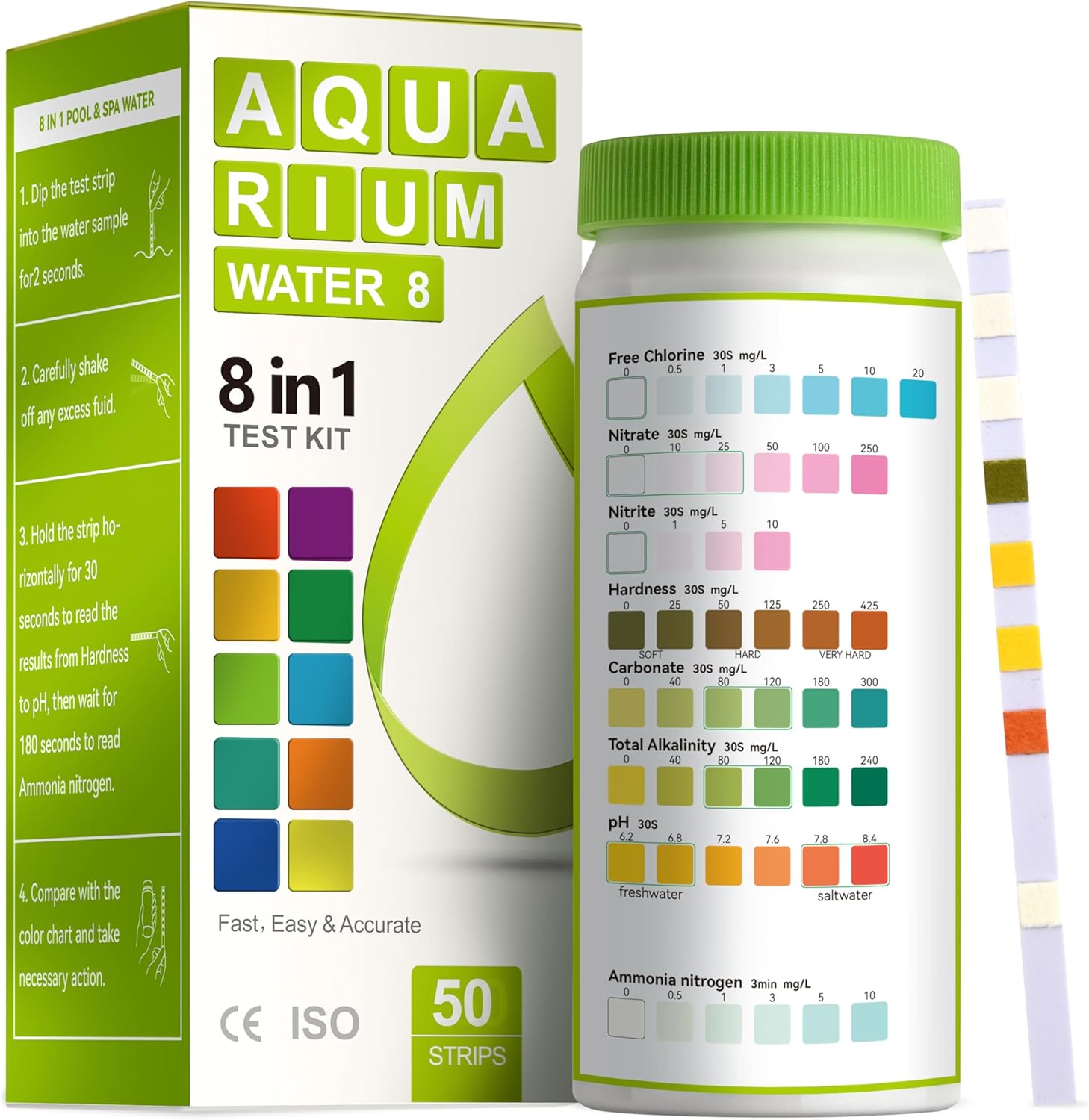
AAwipes 8-in-1 Aquarium Test Strips K02-50 for Fish Tank & Pond Water
03 The Maintenance Protocol
Daily Stewardship
What is your daily routine for your betta fish? Here’s mine for your reference:
- Feed 2-3 pellets (remove uneaten)
- Verify heater & temperature
- Observe Betta behavior
- Visual inspection of clarity
Weekly: The 25% Reset
The golden rule for standard 5- to 10-gallon tanks is a partial change of 25 to 30%. You should do it weekly and repeatedly.
- Siphon water using a gravel vacuum in sections.
- Prepare new water with conditioner.
- Match the temperature (crucial for shock prevention).
- Refill slowly to avoid stress.
flowchart LR
    A[Siphon water] --> B[Prepare new water]
    B --> C[Match the temperature]
    C --> D[Refill slowly]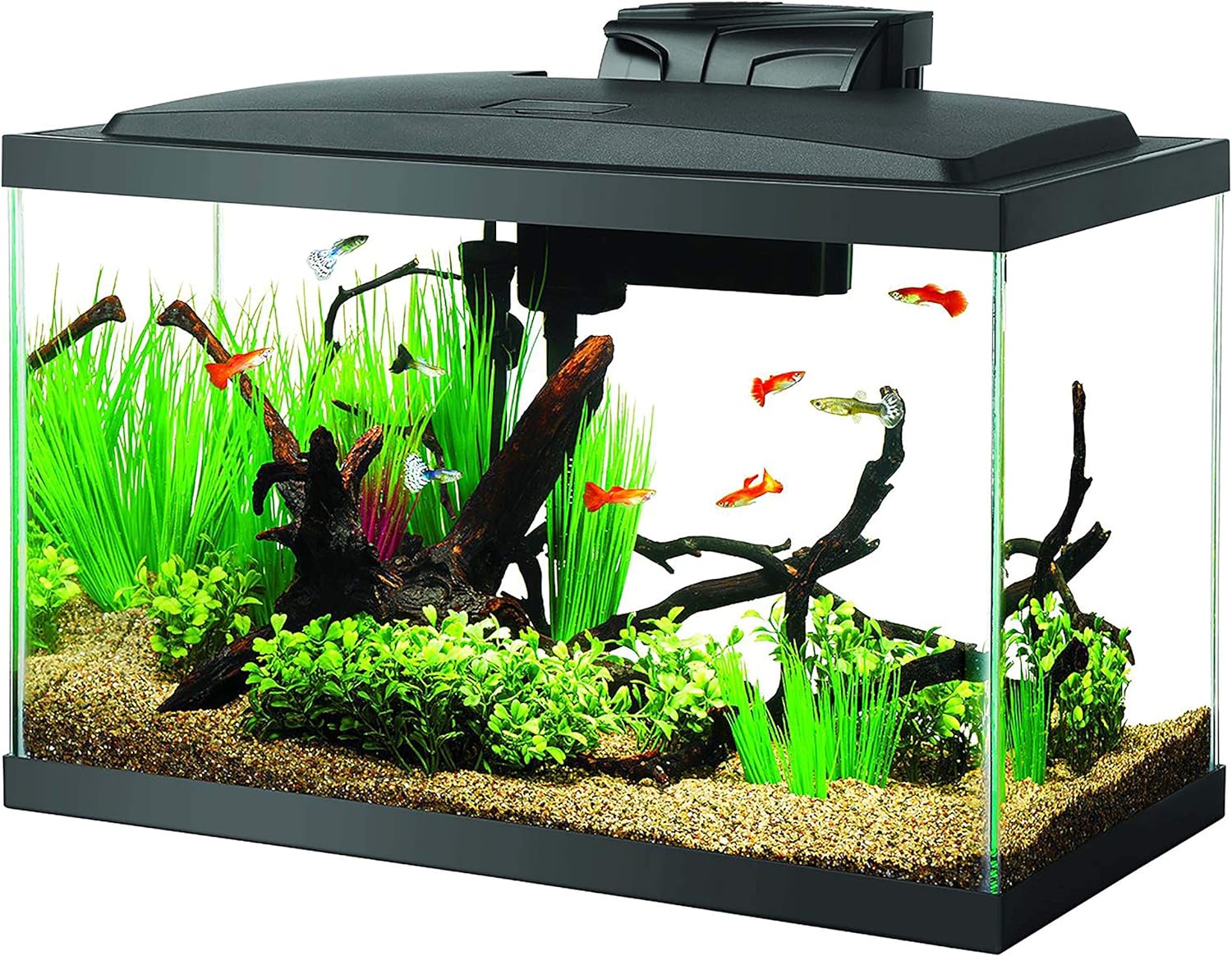
Aqueon 10 Gallon LED Fish Tank Starter Kit with QuietFlow Filter
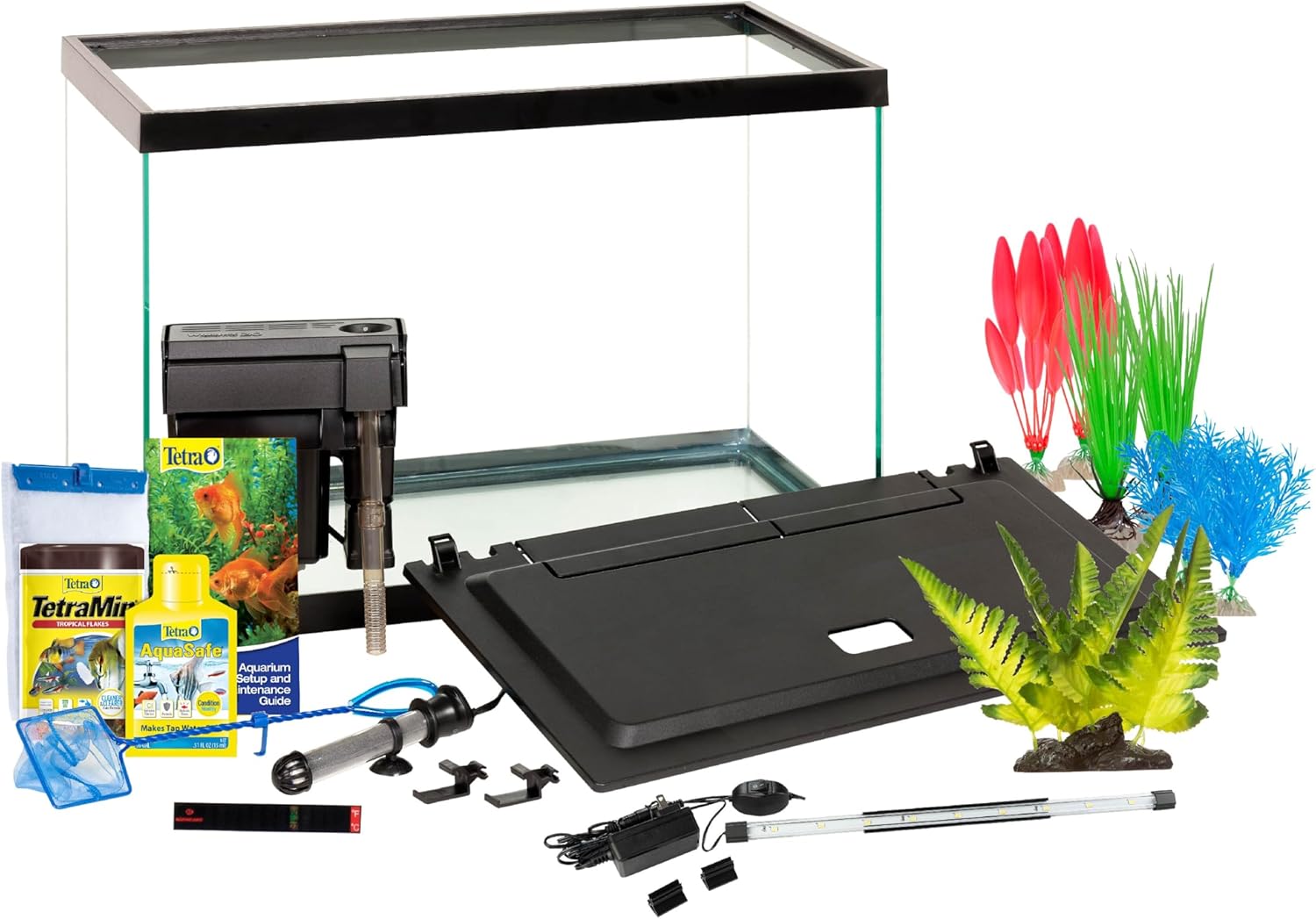
Tetra 20-Gallon Complete Glass Aquarium Kit w/ LED Light & Whisper Filter
04 Advanced Ecosystem Strategies
The Power of Live Plants
Live plants act as natural biofilters, absorbing nitrates and waste. They are competing with algae for resources.
Top live plant picks for betta fish tanks: Anubias, Java Fern, Hornwort, and Mosses
Waste Prevention and Removal
Simply, we should avoid overfeeding.
- Small, frequent feeds. I usually feed the fish twice a day using an automatic feeder that operates for 12 hours. The fish finish eating in about 30 seconds, but they do not develop a big belly.
- One fasting day/week. Do not feed the betta fish for one day of the week. The breaking up of the feeding routine will be beneficial for their health.
- Instant waste removal. The food leftover will be
- Avoid chemical cleaners. They seem to be doing their job but are actually stressing the betta fish. We should always pay attention to sudden water changes.
If you have more ideas, don’t forget to share them in the comments!
05 Troubleshooting Common Issues
Cloudy or Murky Water
White/Hazy: Usually a bacterial bloom. This is a common issue in new tanks and typically resolves itself with time and stability. Avoid overfeeding during this period.
Brown/Yellow: Often tannins from driftwood (harmless) or organic buildup. Increase vacuuming if it’s the latter.
High Ammonia/Nitrite Spikes
Life-threatening emergency!
- Immediate 50% water change.
- Dose with Seachem Prime to detoxify.
- Identify cause: Overfeeding or filter crash.
- Test daily until levels hit 0 ppm.
Persistent Algae Blooms
Check your light duration (8-10 hours max) and ensure the tank isn’t in direct sunlight. Reduce feeding and increase the frequency of water changes.
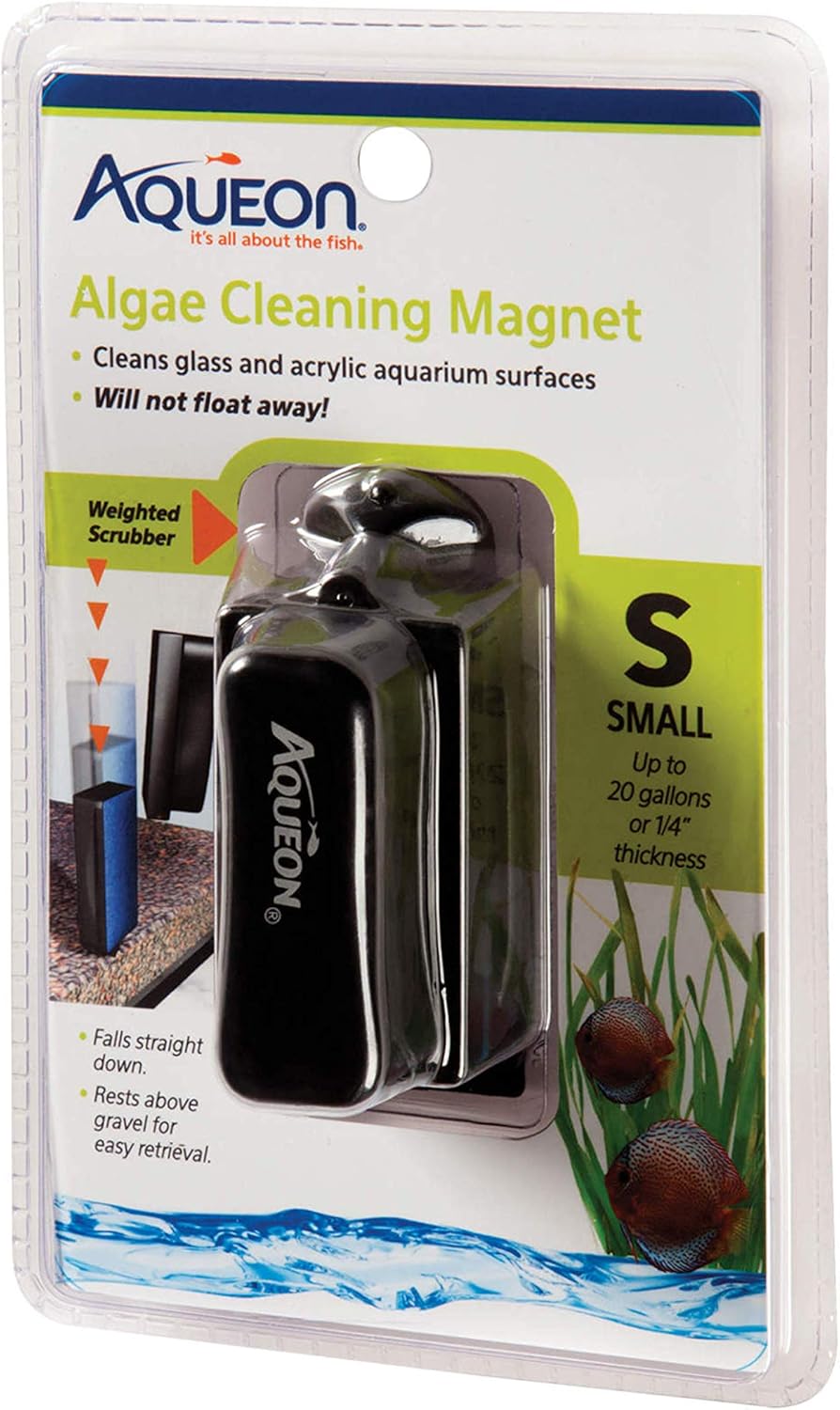
Aqueon Small Dual-Pad Algae Cleaning Magnet for Glass & Acrylic Aquariums – Black
A Thriving Future for Your Betta
Maintaining a clean betta fish tank is an ongoing commitment that is immensely rewarding. A pristine habitat ensures your Betta splendens lives a full, colorful, and energetic life
Clean does not mean sterile
A healthy betta tank has clear water, stable bacteria in the filter, and predictable waste removal. It should not be stripped down every week. Deep cleaning the whole tank, replacing all filter media, and washing surfaces with untreated tap water can remove the bacteria that protect the fish from ammonia and nitrite.
Weekly cleaning path
| Task | Normal rhythm | Stop signal |
|---|---|---|
| Water change | Small to moderate, based on tests and tank size | Large emergency changes without matching temperature |
| Gravel vacuum | Remove visible debris in sections | Stirring the whole substrate aggressively |
| Filter media | Swish in removed tank water when flow drops | Replacing all media at once |
| Glass | Wipe algae without chemicals | Using household cleaners near the tank |
Test water when the tank smells bad, looks cloudy, or the betta clamps fins. Cleaning should solve the cause, not only hide the symptom.