
Proper setup is crucial for a betta fish’s (Betta splendens) long, healthy, and vibrant life. Discover the science behind a perfect aquatic sanctuary.
The Foundation: Choosing Your Tank
Forget the bowls. Bettas need space to flourish. A 5-gallon minimum ensures stability, while a 10-gallon tank offers the ultimate luxury and easier maintenance.
Minimum 5 Gallons
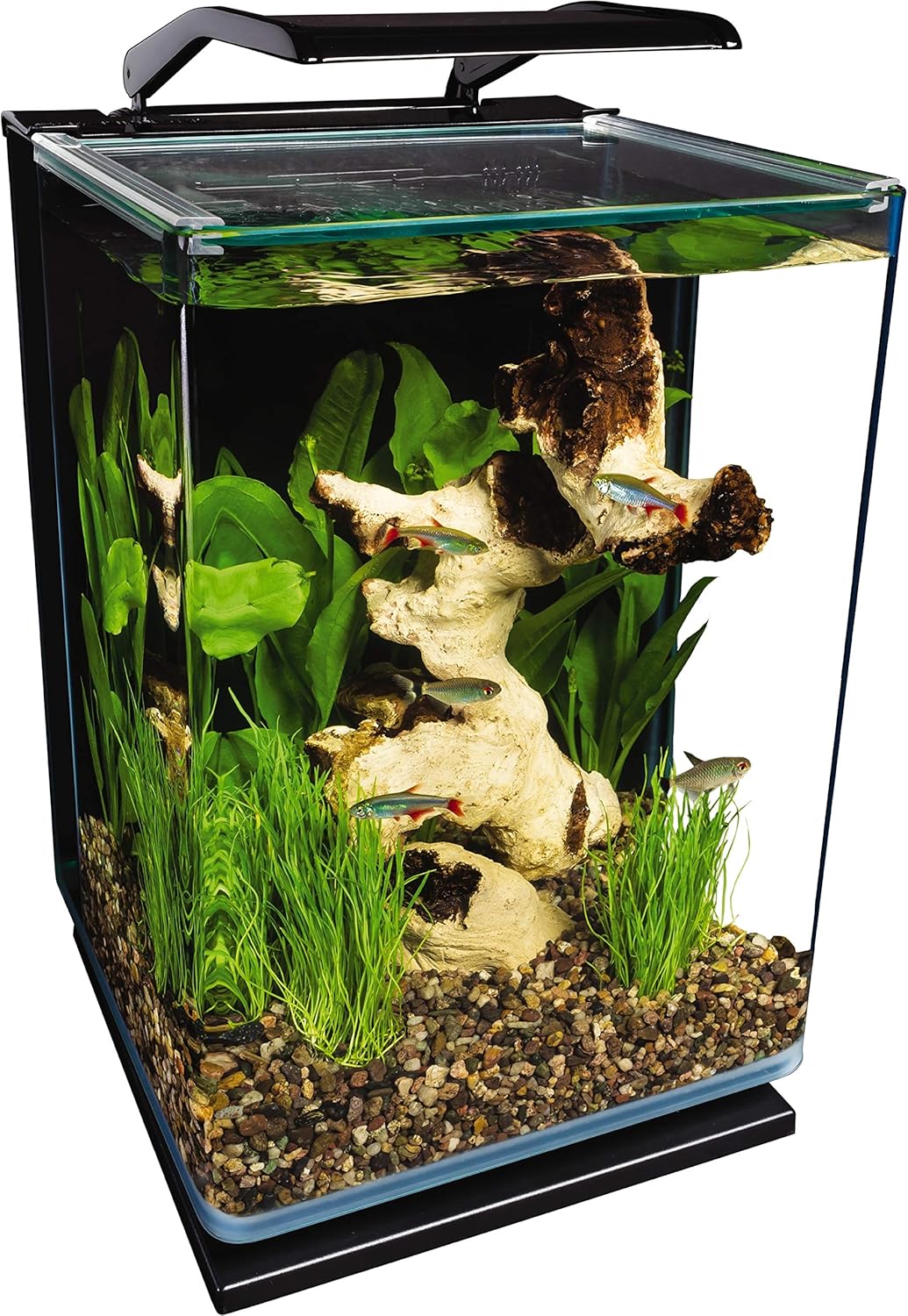
Ideal: 10+ Gallons
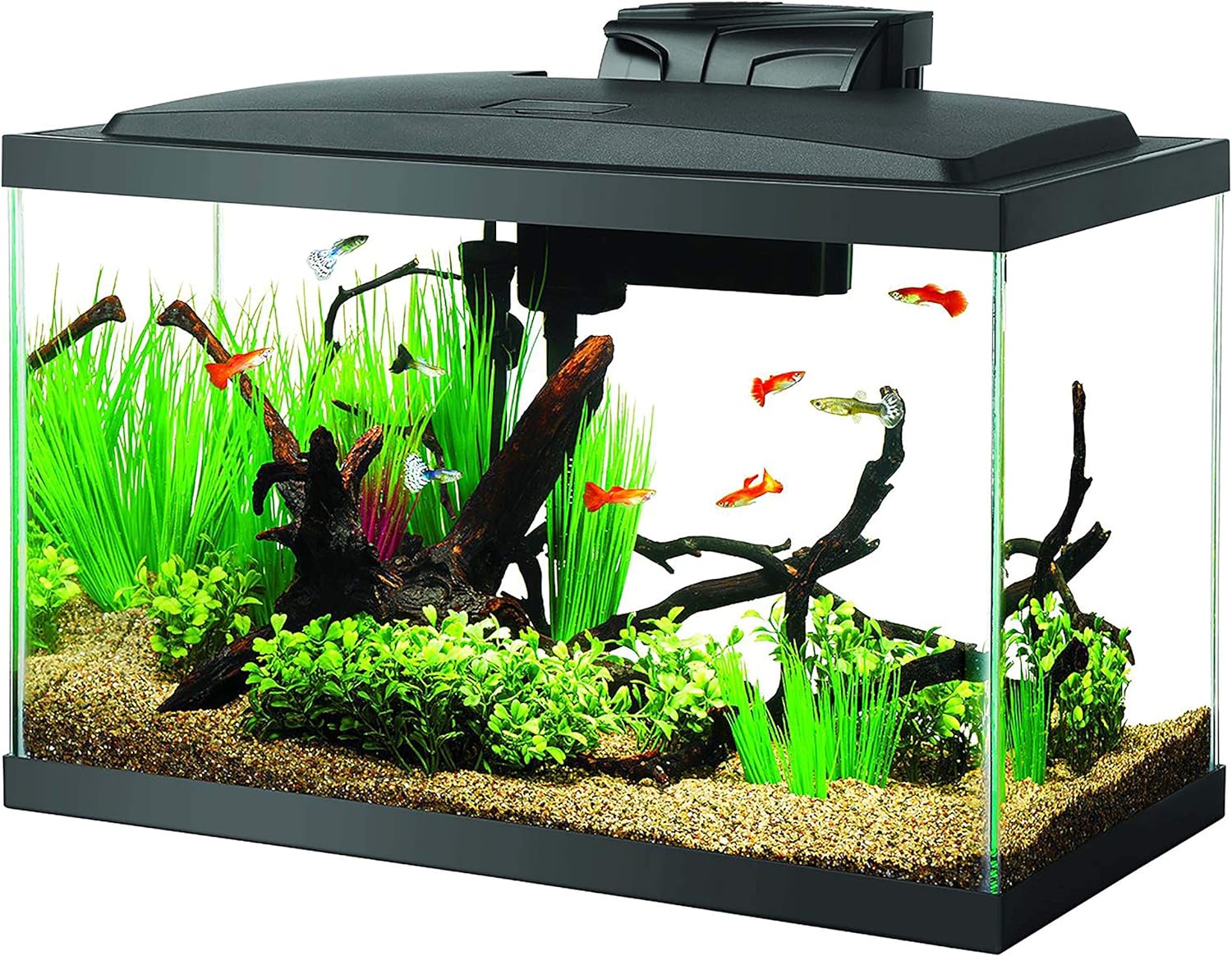
Aqueon 10 Gallon LED Fish Tank Starter Kit with QuietFlow Filter
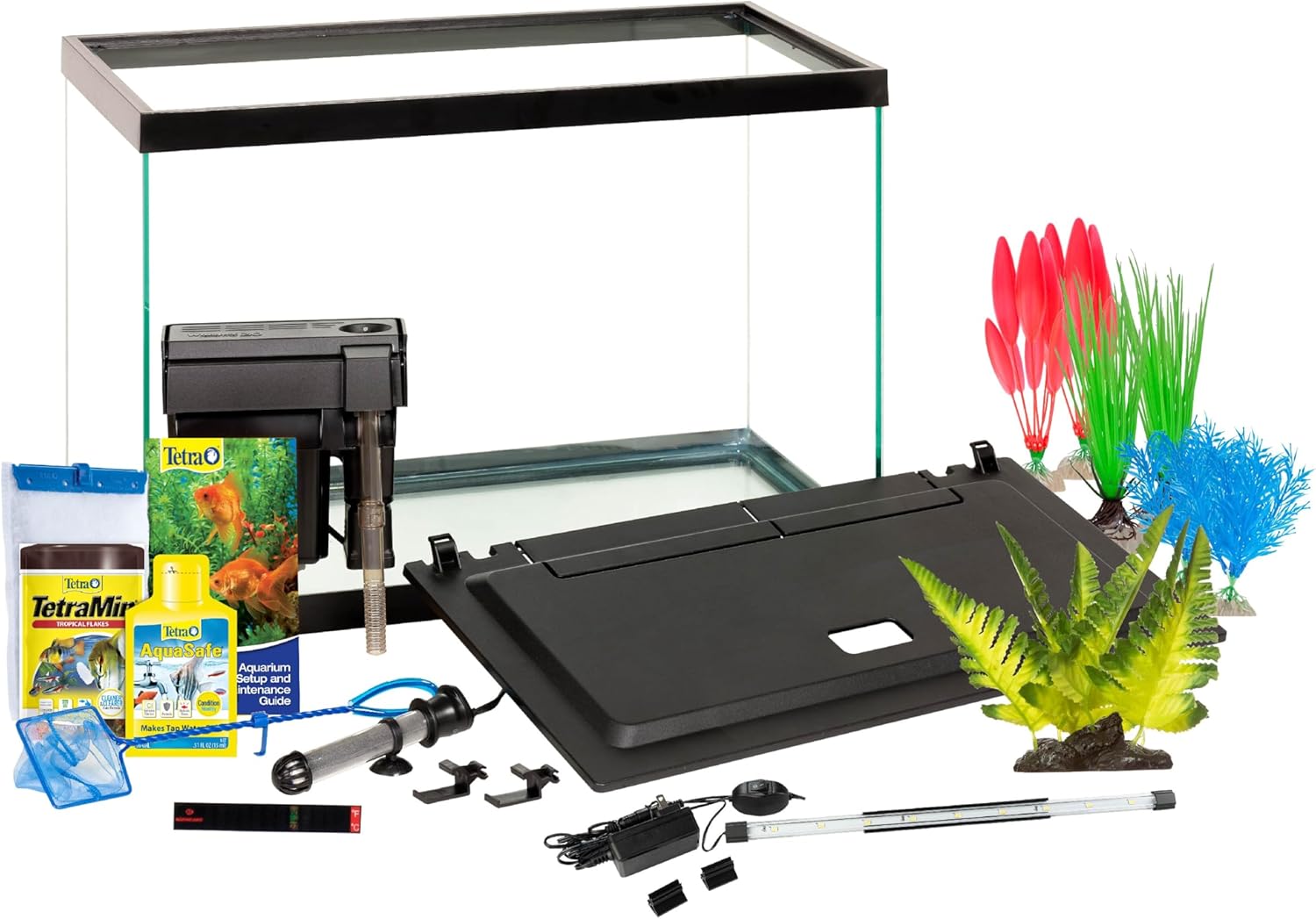
Tetra 20-Gallon Complete Glass Aquarium Kit w/ LED Light & Whisper Filter
Quick Parameters
- Temp: 76-82°F
- pH: 6.5-7.5
- Ammonia: 0 ppm
- Nitrite: 0 ppm
- Nitrate: <20 ppm
Essential Pieces of Equipment for Your Habitat
Heating & Filtration
Tropical fish require consistent warmth. A 25-50 watt submersible heater is non-negotiable. Sponge filters are the preferred choice for filtration in Bettas. Because of their gentle flow and exceptional biological capacity.
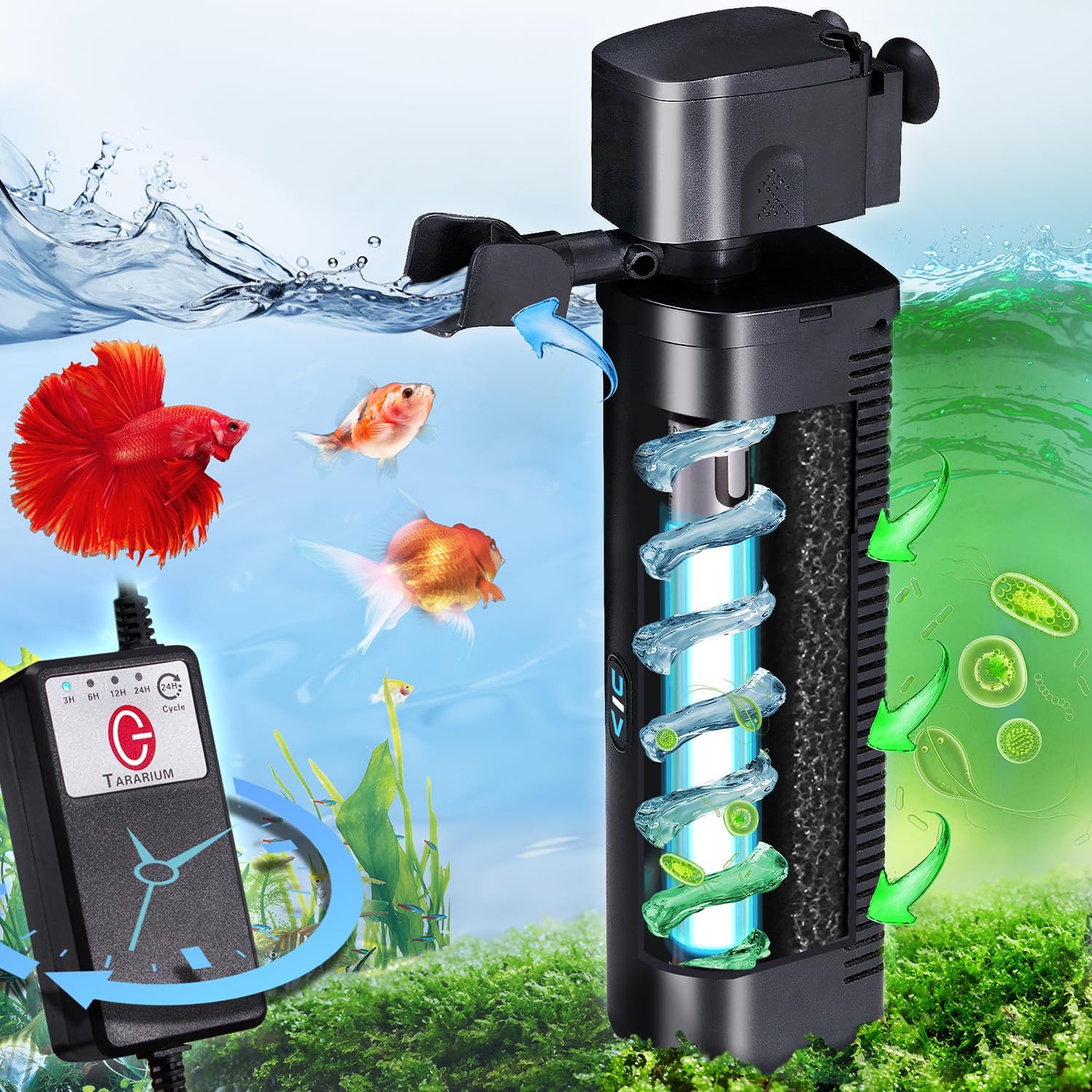
290 GPH UV Internal Aquarium Filter with Smart Timer
Substrate & Lighting
Use smooth gravel or specialized plant substrates. LED lighting should be on an 8-10 hour cycle to mimic nature and support live plants like Anubias or Java Fern.
3. The Nitrogen Cycle
The Nitrogen Cycle serves as the biological engine within your tank. This 4–6-week process builds beneficial bacteria that transform toxic waste into safe nitrates.
Ammonia (Toxic)
Fish waste and uneaten food break down into ammonia.
Nitrite (Toxic)
Nitrosomonas bacteria convert ammonia into nitrites.
Nitrate (Safe-ish)
Nitrobacter bacteria convert nitrites into nitrates, which are removed via water changes.
The Setup Process
Cleaning & Preparation
Rinse the tank and equipment with dechlorinated water. Never use soap, as it’s lethal to fish.
Landscape & Fill
Add 1-2 inches of substrate. Place a plate on the bottom before pouring water to prevent disturbing the layout.
Initiate Cycling
Dose ammonia and monitor daily. Wait until ammonia and nitrites are at 0 ppm before even thinking about your fish.
Drip Acclimation: The Golden Standard
- Float the bag for 20 minutes to match temperature.
- Move the fish to a container (keep the stored water separate).
- Drip 1-2 drops per second from the main tank for 60 minutes.
- Gently net and release. Never add stored water to your tank!
Mistakes to Avoid
× Small Bowls: Vases and bowls lead to rapid toxic buildup.
× No Heater: Leads to lethargy and compromised immunity.
× Sharp Decor: Plastic plants can shred delicate fins.
× Overfeeding: High-quality pellets only—2-4 pellets daily.
Conclusions
Are you prepared for your aquatic companion?
Setting up a betta fish tank correctly is fundamental for its well-being. Patience, attention to detail, and understanding your betta’s needs are paramount for a joyful life.
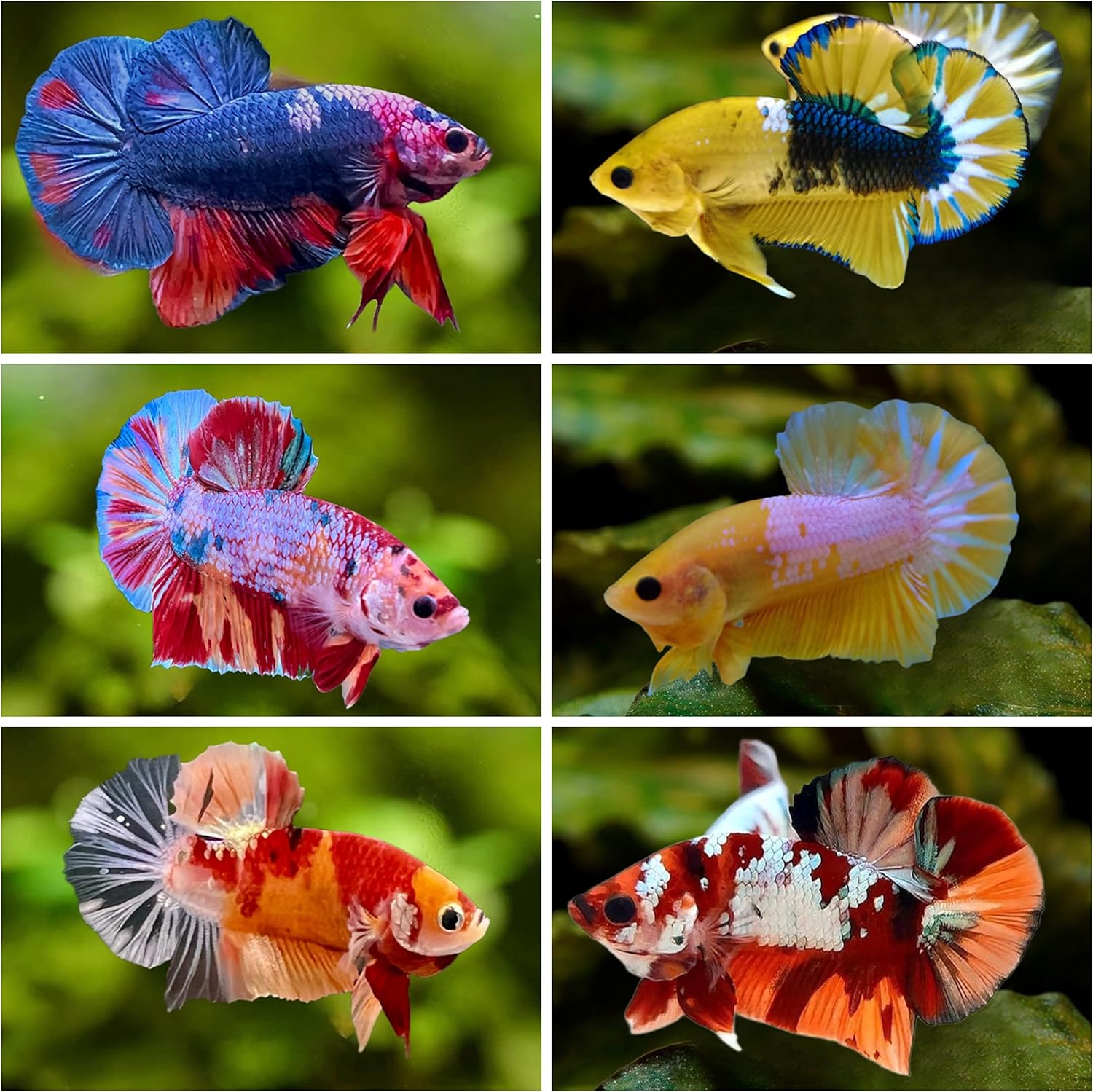
D&A Tropical Breeding Pair – Koi Galaxy Betta Fish (Assorted Colors)
Betta setup order
Set up the tank before buying the fish. A betta can survive poor conditions for a while, but survival is not the same as a stable habitat. The goal is warm, filtered, cycled water with resting places near the surface.
| Part | Better choice | Avoid |
|---|---|---|
| Tank | 5 gallons or larger when possible | Tiny bowls with no stable heat or filter |
| Filter | Gentle adjustable flow | Strong current that pins fins |
| Heater | Thermostat-controlled if room temperature varies | Guessing by room comfort |
| Decor | Smooth hides, plants, resting spots | Sharp plastic edges that tear fins |
Before the betta arrives
Run the filter, condition water, heat the tank, and cycle the biological media. Test ammonia and nitrite. If either is present, the tank is not ready for a normal stocking plan.
Decision boundary
Use this page as a practical starting point, then verify the result against the aquarium in front of you. Tank size, filter maturity, temperature stability, livestock count, feeding amount, and water-change rhythm can all change the right answer. A number or rule that works in a mature 20 gallon tank may fail in a newly set up 5 gallon tank.
Common misread
The most common mistake is treating a single care-sheet fact as permission to skip observation. If fish hide, gasp, clamp fins, refuse food, lose color, or show torn fins, pause the plan and test water before adding livestock, changing products, or increasing feeding. Stable behavior and stable water matter together.
Next useful check
- Confirm ammonia and nitrite are 0 ppm before interpreting most behavior problems.
- Compare nitrate before and after the normal water-change interval.
- Check whether the filter flow, decor, and tank mates match the species rather than the tank label.
- Make one change at a time so the cause of improvement or decline stays visible.