


Affiliate disclaimer: Some links on this blog are Amazon affiliate links, meaning I may earn a commission at no extra cost to you.
What Betta Fish Eat: to Eat and Not to Eat
This guide details the dietary needs of Betta splendens (Betta fish). We emphasize their carnivorous nature. It is important to provide a high-protein diet for their health, vibrancy, and longevity.
Table of Content
Understanding Betta Nutritional Needs: The Carnivorous Foundation
Bettas are facultative carnivores. They are naturally preying on small insects, larvae, and crustaceans in their wild Southeast Asian habitats. Their ideal diet requires:
- High protein content is a must. We should seek a minimum of 30-40% crude protein. Take it from animal sources (fish meal, shrimp meal, insect meal). It is essential for muscle growth, tissue repair, and metabolism.
- Moderate fat content is essential for energy and vitamin absorption. It contains omega-3 and omega-6 fatty acids for scale/fin health and immune function.
- Low Fiber Content: Bettas do not efficiently digest plant matter. And excessive amounts can cause digestive issues like bloating and constipation.
- Vitamins and Minerals: Crucial for immune response, bone health, and organ function. Look for fortification with vitamin C (L-ascorbyl-2-polyphosphate) first. These are also helpful: vitamin E, B vitamins, calcium, and phosphorus.
- Chitin: A valuable component from insect/crustacean exoskeletons. It acts as a prebiotic, promoting gut health.
The Staple Diet: High-Quality Betta Pellets and Flakes
The primary diet should consist of betta-specific commercial foods. They are formulated for their carnivorous needs.
High-Quality Betta Pellets:
Generally preferred over flakes due to:
- Nutritional Density: Less likely to break down and foul water.
- Ingredient Quality: Premium pellets list animal proteins as the first ingredients. Recommended brands include Hikari Betta Bio-Gold, Omega One Betta Pellets, and Fluval Bug Bites Betta Formula.
- Digestibility: Designed for easy digestion.
- Small Size: Micro-pellets suitable for their small mouths.
- Avoid: Products with excessive fillers (cornmeal, wheat flour) or high plant protein.
Betta Flakes:
If used, they must be high-quality, betta-specific, and feature animal protein high on the ingredient list. Flakes degrade faster and can increase ammonia/nitrate levels. Crush them if necessary.
Supplementary and Treat Foods: Enhancing Nutritional Variety
Supplementary foods, given 2-3 times per week in moderation, enhance health and provide enrichment.
Live Foods:
Live foods are the closest to a wild diet, but they carry the risk of parasites and diseases.
- Bloodworms: High-protein larvae of midge flies.
- Brine Shrimp (Artemia salina): High in protein and fat.
- Daphnia: Small crustaceans, beneficial for digestion (natural laxative).
- Mosquito Larvae: A natural treat, but ensure clean, pesticide-free sourcing.
- Wingless Fruit Flies: For tiny bettas or fry.

Frozen Foods:
Offer benefits of live foods without the same pathogen risk.
- Frozen Bloodworms: Thaw before feeding.
- Frozen Brine Shrimp: Excellent protein source.
- Frozen Daphnia: Good for digestive health.
- Mysis Shrimp: Rich in protein and fatty acids.
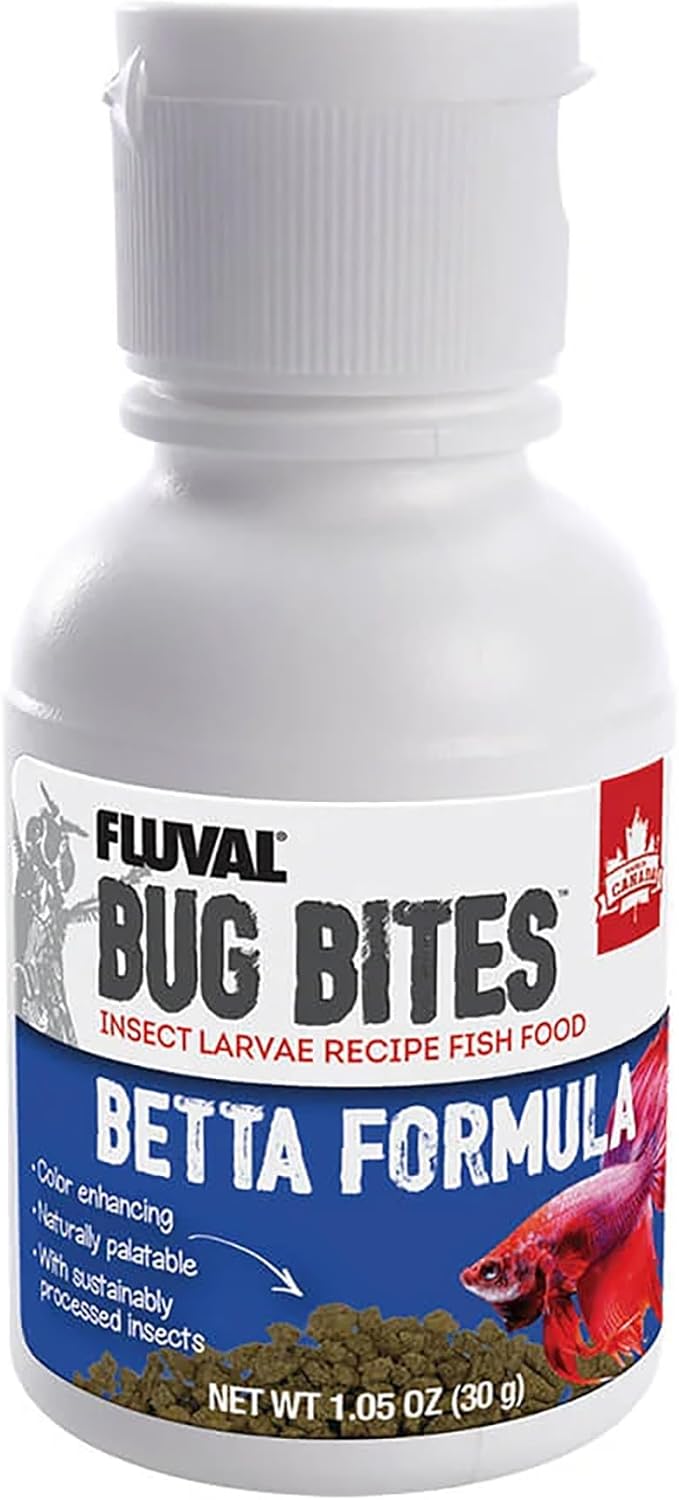
Fluval Bug Bites Betta Fish Food – 1.05 oz Micro-Granules Daily Diet for Small-Medium Tropical Fish
Fluval Bug Bites Betta Fish Food brings the riverbank to your tank: up to 40%…
Original price was: $10.17.$5.98Current price is: $5.98.
Freeze-Dried Foods:
While freeze-dried foods are convenient, their nutritional content may be reduced. It must be rehydrated in tank water for 5–10 minutes before feeding to prevent bloating.
- Freeze-dried bloodworms.
- Freeze-dried Brine Shrimp.
- Freeze-dried Daphnia.
Occasional Natural Supplements:
- Peeled Peas (cooked): For rare cases of constipation, a tiny piece of deshelled pea. They can be offered as a last resort due to fiber content.
- You can offer small pieces of finely chopped, boiled shrimp (human grade, unseasoned) as a last resort. An occasional protein-rich treat.
Feeding Best Practices for Betta Fish
Proper feeding techniques are crucial to prevent health issues and maintain water quality.
How Much to Feed:
Feed only what the betta can consume within 2-3 minutes. Typically, you need 2-4 pellets per feeding. A treat should be roughly the size of the betta's eyeball. Betta stomachs are about the size of their eye. Underfeeding is preferable to overfeeding.
How Often to Feed:
- Once or twice for daily feeding: most cases for adult bettas. Two smaller feedings can provide more consistent energy.
- Fasting Day: Incorporating one fasting day per week can aid digestion and reduce bloat/constipation risk.
Avoiding Overfeeding:
Overfeeding is causing swim bladder disease, constipation, and bloat. The leftover foods lead to poor water quality (ammonia, nitrites, and nitrates). No wonder your betta has obesity. We should promptly remove uneaten food.
Feeding Betta Fry and Juveniles:
- First 2 to 3 Days: The betta can rely on the yolk sac.
- Post Yolk Sac: Require microscopic foods like infusoria or liquid fry food.
- Growing Fry: Transition to newly hatched brine shrimp, microworms, and crushed micro-pellets. Frequent small feedings (3-5 times a day) are essential.
Foods to Avoid: Harmful Items for Betta Fish
- Flakes for Tropical Fish: Too much plant matter, insufficient animal protein.
- Bread/Crumbs: Indigestible, causes severe bloat.
- Rice is indigestible and can cause blockages.
- Lactose or fats are not for betta fish to digest.
- Meat/Poultry (human-grade, uncooked): Risk of harmful bacteria.
- Sugary treats/fruits have no nutritional value and cause health problems.
- Citrus fruits with acidity are harmful.
- Certain garden insects may carry pesticides, herbicides, or parasites.
Recognizing Dietary Issues and Health Problems
- Bloat/Constipation: Swollen abdomen, swimming difficulties, lack of defecation.
- Remedy: Fast for 24-48 hours; consider rehydrated daphnia or a tiny piece of cooked, deshelled pea if symptoms persist. Ensure proper water parameters.
- Swim Bladder Disease (SBD): Buoyancy issues (floating, sinking, lopsided swimming). Often dietary-related (overfeeding, bloat).
- Remedy: Fast, ensure clean water, and offer easily digestible foods when feeding resumes.
- Fin Rot: Can be exacerbated by poor nutrition. Another possible reason is the poor water quality due to overfeeding. The immune systems are compromised.
- Remedy: Address water quality, ensure a nutritious diet, and treat bacterial infection if present.
- Lethargy and Dull Coloration: Result of a consistently poor diet lacking essential nutrients.
- Remedy: Upgrade to a high-quality betta-specific staple diet and incorporate varied treats.
Transitioning Betta Diets
- Gradual Introduction: Mix new food with old, slowly increasing the proportion of new food over several days to a week.
- Patience: Some bettas are picky; try again later or with a different food. Do not starve a betta into eating something disliked.
- Observe: Monitor for digestive upset or refusal.
The Importance of Water Quality and Diet Interplay
Diet and water quality are intrinsically linked. Overfeeding contributes to poor water quality.
- Regular Water Changes: Perform weekly partial water changes (25-50%) to remove nitrates and refresh water.
- Filtration: A good filter removes particulate matter and supports beneficial bacteria. Ensure gentle flow.
- Heated Water: Stable temperatures (78-82°F or 25-28°C) are crucial for digestion and immune function.
A clean, stable environment is essential. Betta fish living in it can enjoy proper digestion, nutrient absorption, and utilization of a well-rounded diet.
Conclusion
An ideal betta diet consists of high-quality, protein-rich staple foods. They moderate supplementation with various treats and strict feeding guidelines. Bettas are carnivorous and require animal proteins.
Bettas can enjoy vibrant health, striking colors, and a long life. They need premium betta pellets/flakes, supplemented with live/frozen options. Stay away from harmful foods. Remember, consistent observation is the key. Feeding adjustments and impeccable water quality are essential for a healthy betta environment.
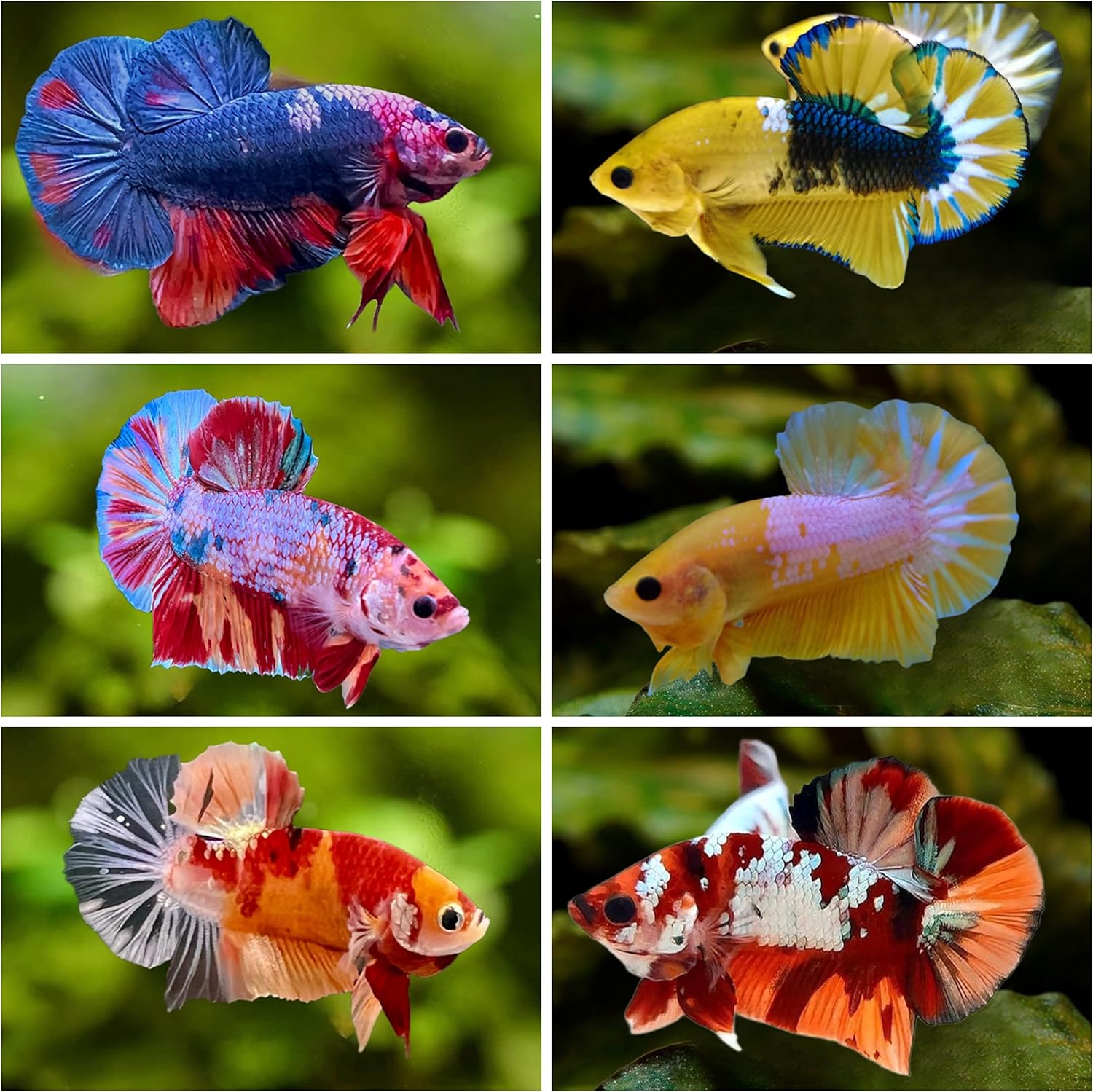
D&A Tropical Breeding Pair – Koi Galaxy Betta Fish (Assorted Colors)
Add an instant splash of living art to your aquarium with the D&A Tropical Koi…
$34.95
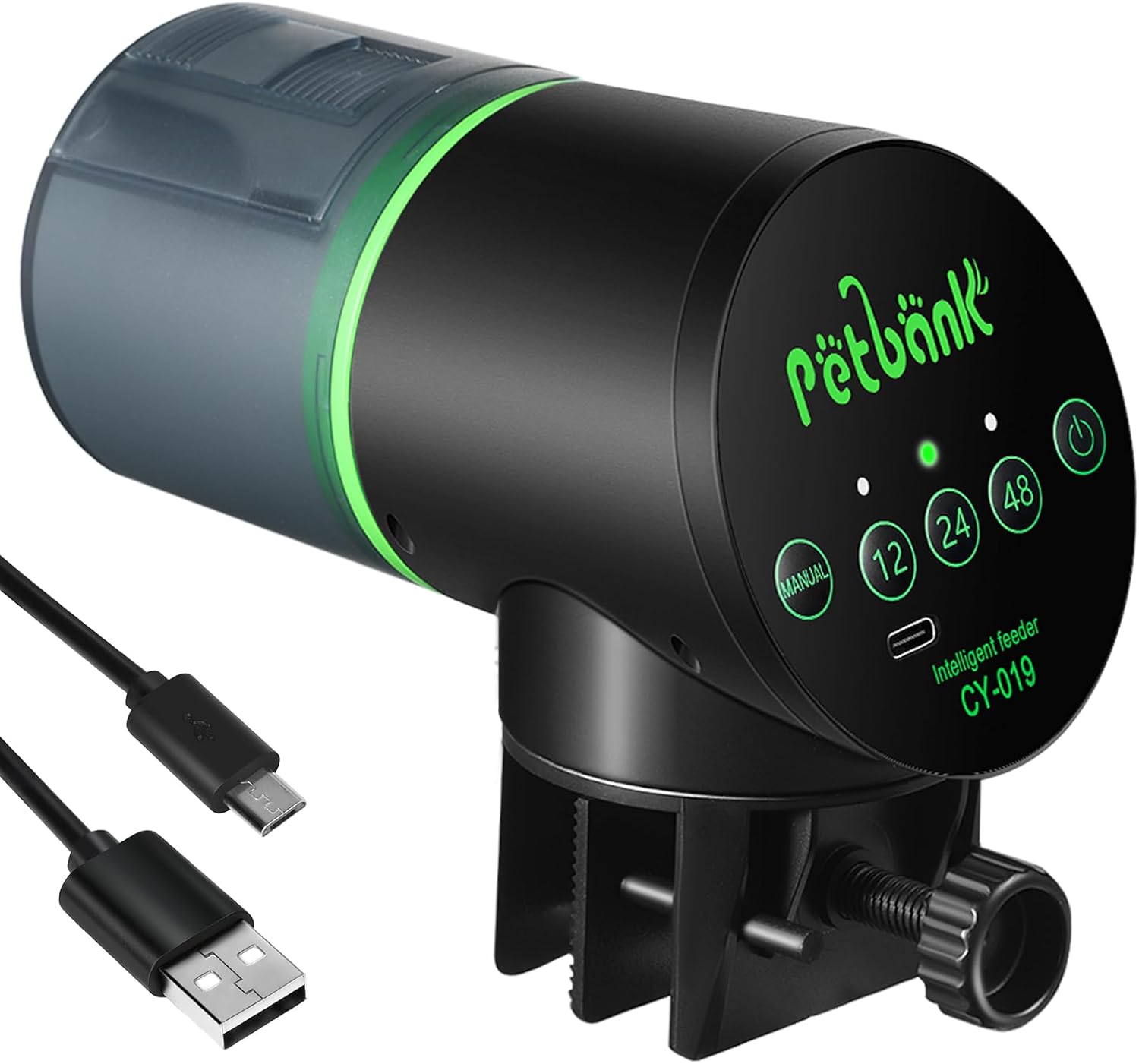
Automatic Fish Feeder 200 mL Capacity with Programmable Timer
The programmable USB-rechargeable feeder dispenses dry food every 12/24/48 h or on demand; 200 mL…
$20.99