

Affiliate disclaimer: Some links on this blog are Amazon affiliate links, meaning I may earn a commission at no extra cost to you.
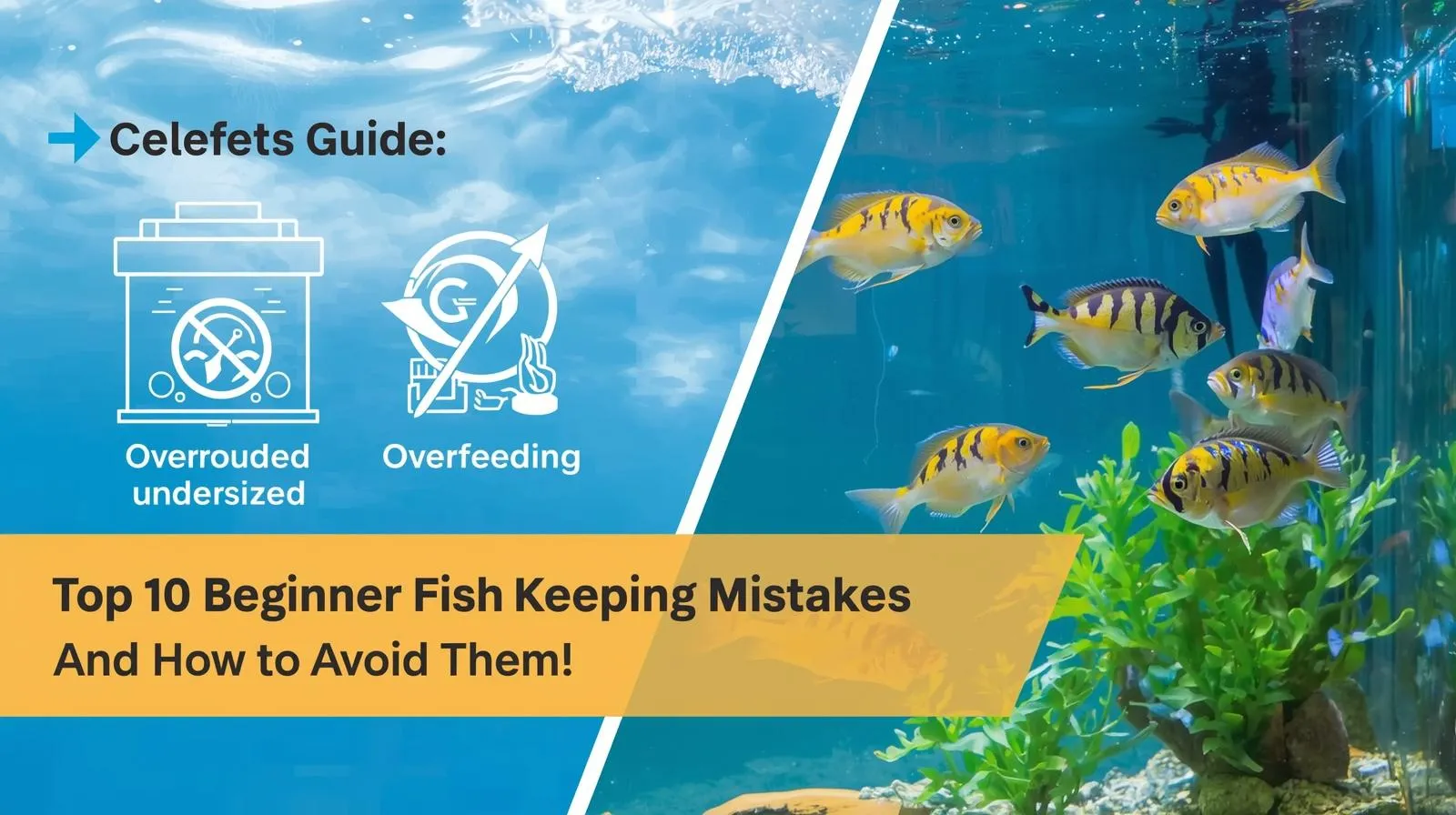
Top 10 Beginner Fishkeeping Mistakes: How to Avoid
Welcome to the world of fishkeeping! If you're a beginner, you might feel excited but also a bit overwhelmed. Don't worry—you can easily avoid common mistakes that many new aquarists make. In this guide, we'll walk you through the 10 most frequent errors in beginner fishkeeping.
By learning from these pitfalls, you can create a healthy and thriving aquarium for your fish. Remember, every expert was once a beginner, and with a little knowledge, you can skip the frustrating parts and enjoy your aquatic hobby from day one!
Table of Content
The 10 Most Common Mistakes in Beginner Fish Keeping
Let's dive into the top errors that newcomers often make. Each section explains what the mistake is, why it's harmful, and how you can avoid it.
Mistake 1: Choosing the Wrong Tank Size
Many beginners start with a small tank, thinking it's easier to manage. However, small tanks can lead to rapid water quality issues and stress for fish. For example, a 5-gallon tank might seem adorable, but it requires more frequent cleaning and limits the types of fish you can keep.
How to avoid: For starters, opt for a tank that's at least 10–20 gallons. This decision gives your fish more space and makes water parameters more stable.
Mistake 2: Skipping the Cycling Process
Cycling a tank means establishing beneficial bacteria that break down waste. If you skip this, ammonia and nitrite levels can spike, harming or even killing your fish.
How to avoid: Use a water test kit to monitor levels and allow the tank to cycle for 2–6 weeks before adding fish. You can speed it up with bacterial starters.
Mistake 3: Overfeeding Your Fish
It's easy to think your fish are always hungry, but overfeeding leads to polluted water and health problems like swim bladder disease.
How to avoid: Feed small amounts once or twice a day, and only what your fish can eat in 2–3 minutes. Please ensure that any uneaten food is removed promptly
Mistake 4: Not Testing Water Parameters
Water quality is crucial for fish health. Ignoring pH, ammonia, nitrite, and nitrate levels can cause stress, disease, or death.
How to avoid: Invest in a reliable test kit and check water weekly. Adjust parameters as needed with water changes or treatments.
Mistake 5: Adding Too Many Fish Too Quickly
A new tank needs time to adjust to the bio-load. Adding multiple fish at once can overwhelm the system and cause ammonia spikes.
How to avoid: Start with a few hardy fish and add newcomers slowly, waiting at least two weeks between additions.
Mistake 6: Using Unsafe Decorations
Some decorations can leach chemicals or have sharp edges that injure fish. For instance, painted ornaments might contain toxins.
How to avoid: Choose natural or aquarium-safe items like driftwood, rocks, or plants. Rinse everything thoroughly before use.
Mistake 7: Neglecting Regular Maintenance
Skipping water changes and filter cleaning leads to buildup of waste and toxins, making the environment unhealthy.
How to avoid: Perform partial water changes (10–25% weekly) and clean filters monthly, but avoid overcleaning to preserve beneficial bacteria.
Mistake 8: Mixing Incompatible Fish Species
Not all fish get along! Aggressive species can bully others, leading to injury or stress.
How to avoid: Research fish compatibility before buying. Peaceful community fish like tetras or guppies are excellent for beginners.
Mistake 9: Relying on Outdated Advice
Old myths, like “fish only grow to the size of their tank,” can harm your pets. Science-based knowledge is key.
How to avoid: Follow recent guides from reputable sources and join online forums for up-to-date tips.
Mistake 10: Not Quarantining New Fish
New fish might carry diseases that spread to your existing tank. Skipping quarantine can lead to outbreaks.
How to avoid: Set up a separate quarantine tank and isolate new fish for 2-4 weeks before introducing them.
Conclusion
By avoiding these common mistakes, you'll set yourself up for success in fishkeeping. Remember, patience and learning are your best tools. Share your experiences with other beginners—it's a fun journey that gets easier with time! If you found this guide helpful, consider subscribing to our blog for more tips.
People Also Ask (FAQs)
Here are some frequently asked questions related to beginner fishkeeping:
Q1: How often should I clean my fish tank?
A: For most tanks, perform a 10 to 25% water change weekly and clean the filter once a month. Avoid over-cleaning, as it can disrupt beneficial bacteria.
Q2: What is the best fish for beginners?
A: Hardy species like bettas, guppies, or platies are excellent starters. They adapt well to various conditions and are easy to care for.
Q3: How do I cycle a new fish tank quickly?
A: Use a bacterial starter product and add a small amount of fish food or ammonia to kickstart the process. Test water regularly until ammonia and nitrite levels drop to zero.
Q4: Can I keep different fish species together?
A: Yes, but research compatibility first. Peaceful community fish like tetras and corydoras often do well together, while aggressive species should be avoided in mixed tanks.
Q5: What water temperature is ideal for tropical fish?
A: Most tropical fish thrive at 75-80°F (24-27°C). Use an aquarium heater to maintain a stable temperature.
Reference Content & Link
For further reading and reliable information, refer to these resources:
- Aquarium Co-Op: Beginner Fish Keeping Guide – A comprehensive guide on starting an aquarium.
- Fishlore: Common Aquarium Mistakes – Community discussions on avoiding errors.
- The Spruce Pets: How to Cycle a Fish Tank – Step-by-step instructions for tank cycling.
- PubMed: Water Quality in Aquaria – Scientific articles on aquatic health (search for “aquarium water parameters”).
These links provide trusted advice to help you deepen your knowledge and keep your fish happy and healthy!