


Affiliate disclaimer: Some links on this blog are Amazon affiliate links, meaning I may earn a commission at no extra cost to you.
The Ultimate Guide to Betta Fish Breeding: From Spawning to Fry Care
Betta fish breeding is challenging. Many people love the deliberate reproduction of Betta splendens (Siamese fighting fish). Especially, they do it in a controlled aquarium. No doubt it is a rewarding hobby for dedicated aquarists. This guide covers everything from choosing breeding pairs to raising hundreds of fry.
Understanding Betta Fish Breeding: The Basics
Betta fish exhibit unique breeding behaviors. The male constructs a bubble nest and tends to the eggs and fry. The goal of breeding is for hobbyist enjoyment, genetic preservation, or developing new strains. It requires meticulous planning, environmental control, and time commitment.
The Male and Female Betta: Identifying Differences
- Males: Larger, with longer, more elaborate fins (dorsal, caudal, and anal). More intense coloration. Aggressive territorial behavior. Possess a prominent “beard” (gill membrane). Build bubble nests.
- Females: Smaller, with shorter, rounder fins. Less intense coloration (though some strains are bred for exceptional female color). Possess an “egg spot” or oviduct (small white dot between ventral fins) that becomes prominent when gravid. Although they can flare, they typically do so in a less aggressive manner.
Accurate identification is crucial for forming compatible pairs and avoiding aggression.
Is Breeding Right for You? Responsibilities and Commitment
Betta breeding demands significant time, resources, and space. A single spawn can yield 100-500 fry, each needing individual attention.
- Space: Requires multiple tanks. The setup includes a breeding tank and grow-out tanks for the fry. The adolescent males may be housed in dozens of individual jars or small tanks.
- Time: It's not an effortless job. The job requires daily feeding for the fry and frequent water changes. Also, monitoring parameters and health issues is time-intensive.
- Cost: Ongoing expenses for heaters, filters, and air pumps. Additionally, you need to invest in specialized fry food, water conditioners, and medication.
- Knowledge: You need essential expertise in betta care, water chemistry, fish diseases, and genetics.
- Ethics: Prioritize fish welfare and provide excellent care for all fry. Prevent overpopulation, and avoid breeding fish with genetic deformities or poor health.
Ethical Considerations in Betta Breeding
Ethical breeding emphasizes health, well-being, and responsible rehoming.
- Avoiding Inbreeding: Excessive inbreeding can lead to weakened immune systems and deformities.
- Culling: A sensitive practice requiring careful consideration. It is crucial to adopt a humane approach when removing weaker or deformed fry.
- Overpopulation: Have a plan for responsible rehoming or selling of fry.
- Genetic Health: Prioritize breeding strong, healthy fish. They are free from known genetic predispositions to disease or severe deformities.
Essential Equipment for a Successful Betta Breeding Setup
A well-prepared environment is critical for spawning and fry survival.
The Breeding Tank: Size and Substrate
- Size: A 5- to 10-gallon tank is ideal.
- Substrate: A bare-bottom tank is highly recommended for easy cleaning and observation. A very thin layer of fine sand can be used but hinders cleaning.
- Water Level: Initially 4-6 inches to reduce distance for egg retrieval and minimize female exhaustion. It can be gradually increased as the fry grows.
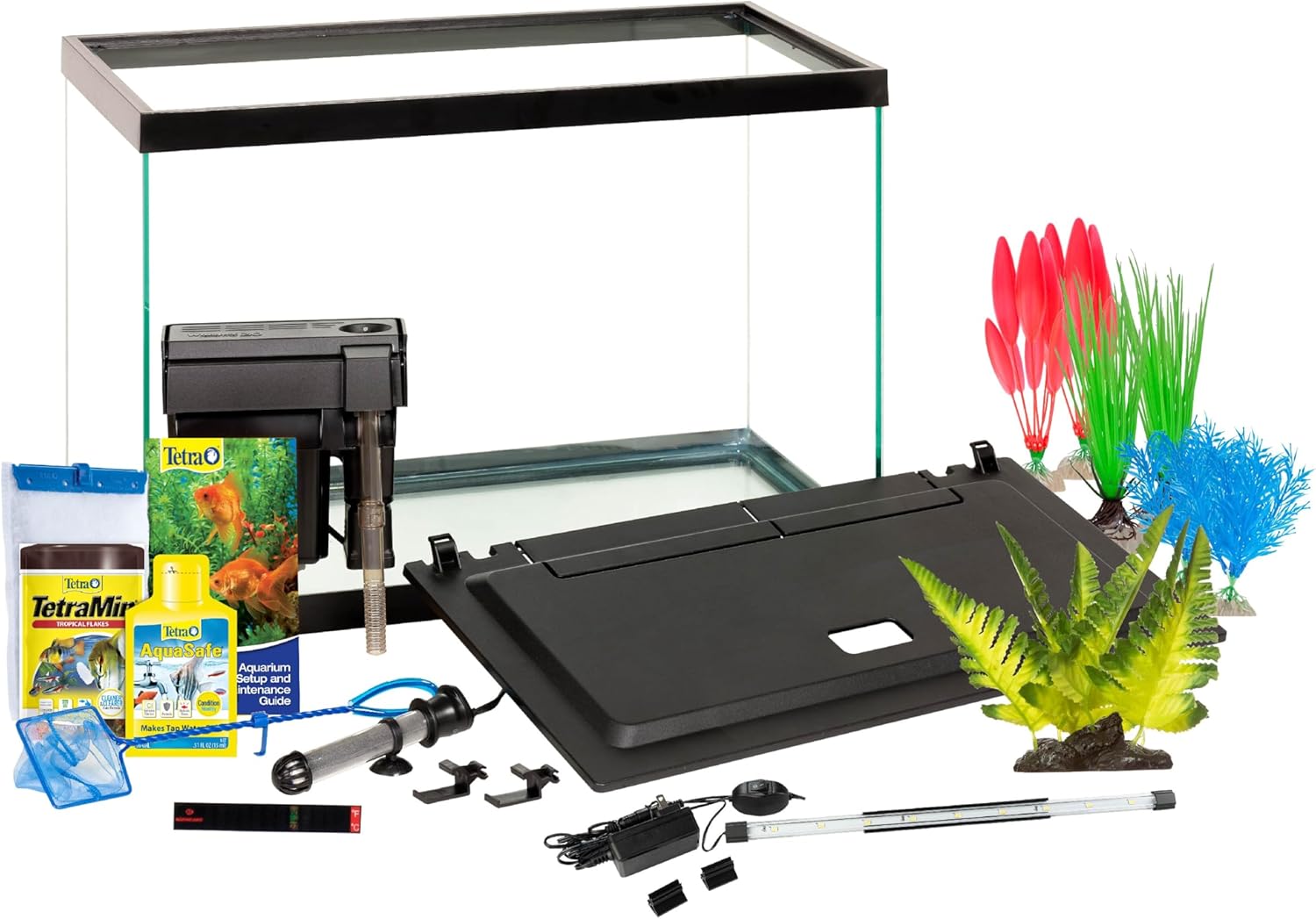
Tetra 20-Gallon Complete Glass Aquarium Kit w/ LED Light & Whisper Filter
Everything you need in one box: Tetra’s 20-gallon glass aquarium kit pairs a quiet Whisper…
$119.14
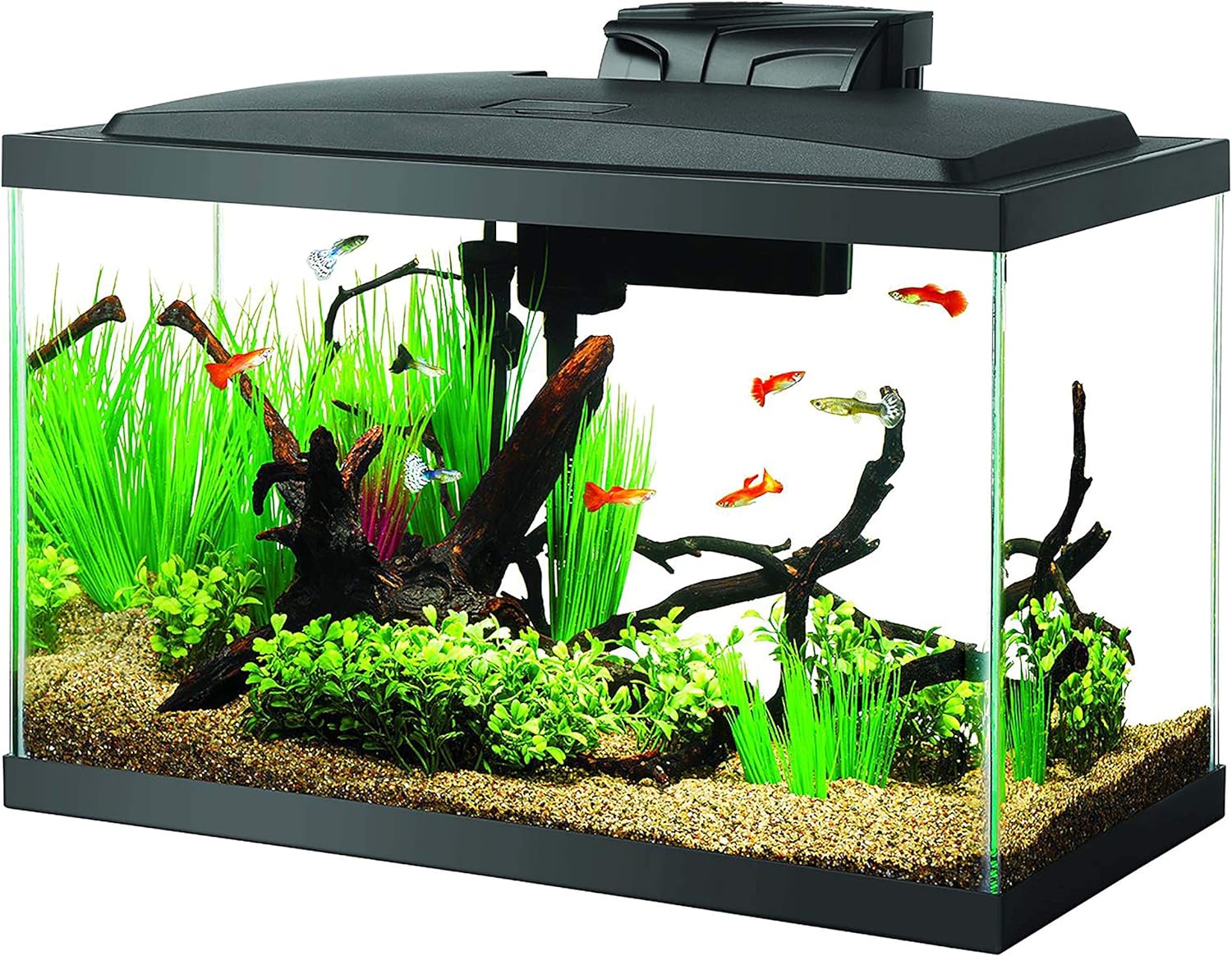
Aqueon 10 Gallon LED Fish Tank Starter Kit with QuietFlow Filter
The Aqueon 10 Gallon LED Fish Tank Starter Kit is your complete solution for setting…
$93.86
Water Parameters: Temperature, pH, and Hardness
Stable and optimal parameters are paramount.
- Temperature: 78-82°F (25.5-27.8°C) to encourage spawning and aid egg/fry development. A reliable heater with a thermostat is essential.
- pH: Slightly acidic to neutral, 6.5-7.5. Extreme fluctuations cause stress.
- Hardness: Soft to moderately hard water (GH 3-8 dGH, KH 3-5 dKH). Water that is too hard negatively impacts egg hatching.
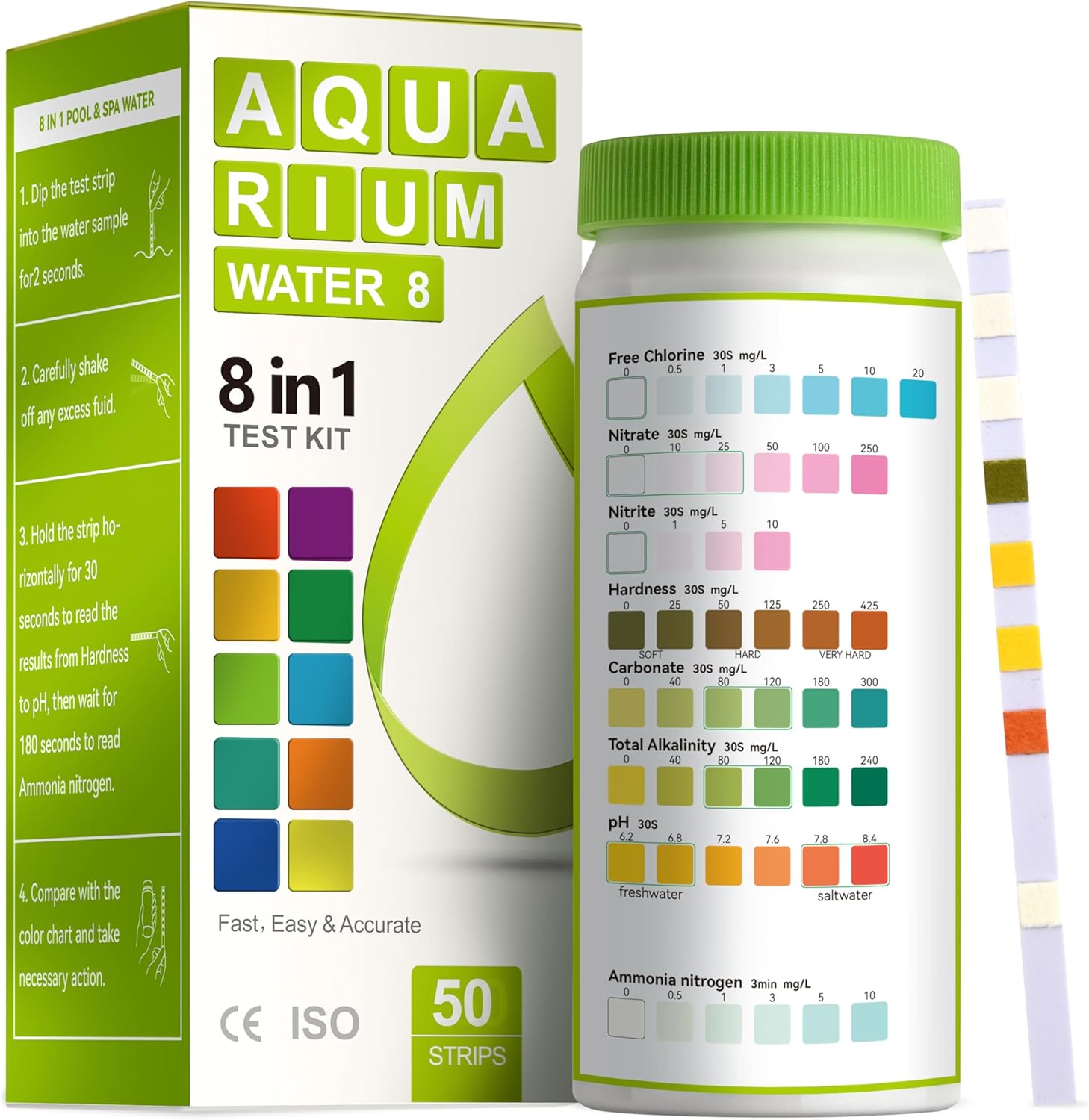
AAwipes 8-in-1 Aquarium Test Strips K02-50 for Fish Tank & Pond Water
50-count, 8-parameter dip strips deliver lab-grade accuracy in 2 minutes. Test pH, ammonia, nitrite, nitrate,…
$9.96
Filtration and Heating: Maintaining Optimal Conditions
- Filtration: A gentle sponge filter is best. It ensures biological filtration without creating strong currents that could disrupt the nest or harm the fry. Air-driven sponge filters are ideal for oxygenation.
- Heating: Submersible, adjustable aquarium heater to maintain consistent temperature. A thermometer is essential for monitoring.
- Aeration: Gentle aeration from a sponge filter is usually sufficient. An additional fine-bubbled air stone can be used if needed, but avoid disturbing the surface or nest.
Spawning Sites: Leaves, Cones, and Bubble Nests
Male bettas need stable surfaces for nest building.
- Broad-leaf Plants: Live or artificial plants (e.g., Anubias, Amazon Sword) near the surface.
- Indian Almond Leaves (Catappa Leaves): They are a must. Release beneficial tannins (natural antifungal/antibacterial). They provide cover and a nesting surface.
- Styrofoam Cup/Plastic Wrap: Small pieces floating at the surface provide stable, undisturbed nest sites.
Food Sources for Conditioning and Fry
Proper nutrition is vital for parents and fry.
- Conditioning Parents: A varied diet of high-quality live or frozen foods for protein and fats. For instance, they can consume bloodworms, brine shrimp, daphnia, and mosquito larvae.
- Newly Hatched Fry (Day 1-3): Infusoria (microscopic organisms) or vinegar eels.
- Growing Fry (Day 4-14): Microworms and newly hatched baby brine shrimp (Artemia nauplii).
- Juvenile Fry (Week 2+): Finely crushed high-quality flake food, micro pellets, and eventually larger frozen foods.

Tetra ColorPlus Tropical Fish Food Flakes 7.06 oz – High-Protein Color Enhancer for Vibrant Aquarium Fish
Give your tropical fish showroom color and cleaner water in one easy scoop. Tetra ColorPlus…
Original price was: $16.05.$14.87Current price is: $14.87.
Selecting Your Breeding Pair: Genetics and Health
The quality of parent fish significantly impacts offspring health and vibrancy.
Choosing Healthy, Vibrant Bettas
- Health: Peak physical condition. For instance, they should exhibit clear eyes, vibrant colors, and intact fins. Additionally, they should engage in active swimming and display an excellent appetite. Avoid signs of disease or stress.
- Age: Males 6-12 months, females 5-10 months. Younger fish are more virile.
- Size: Male slightly larger than female to prevent overpowering.
- Temperament: Observe behavior. Avoid overly aggressive or timid males or overly aggressive females.
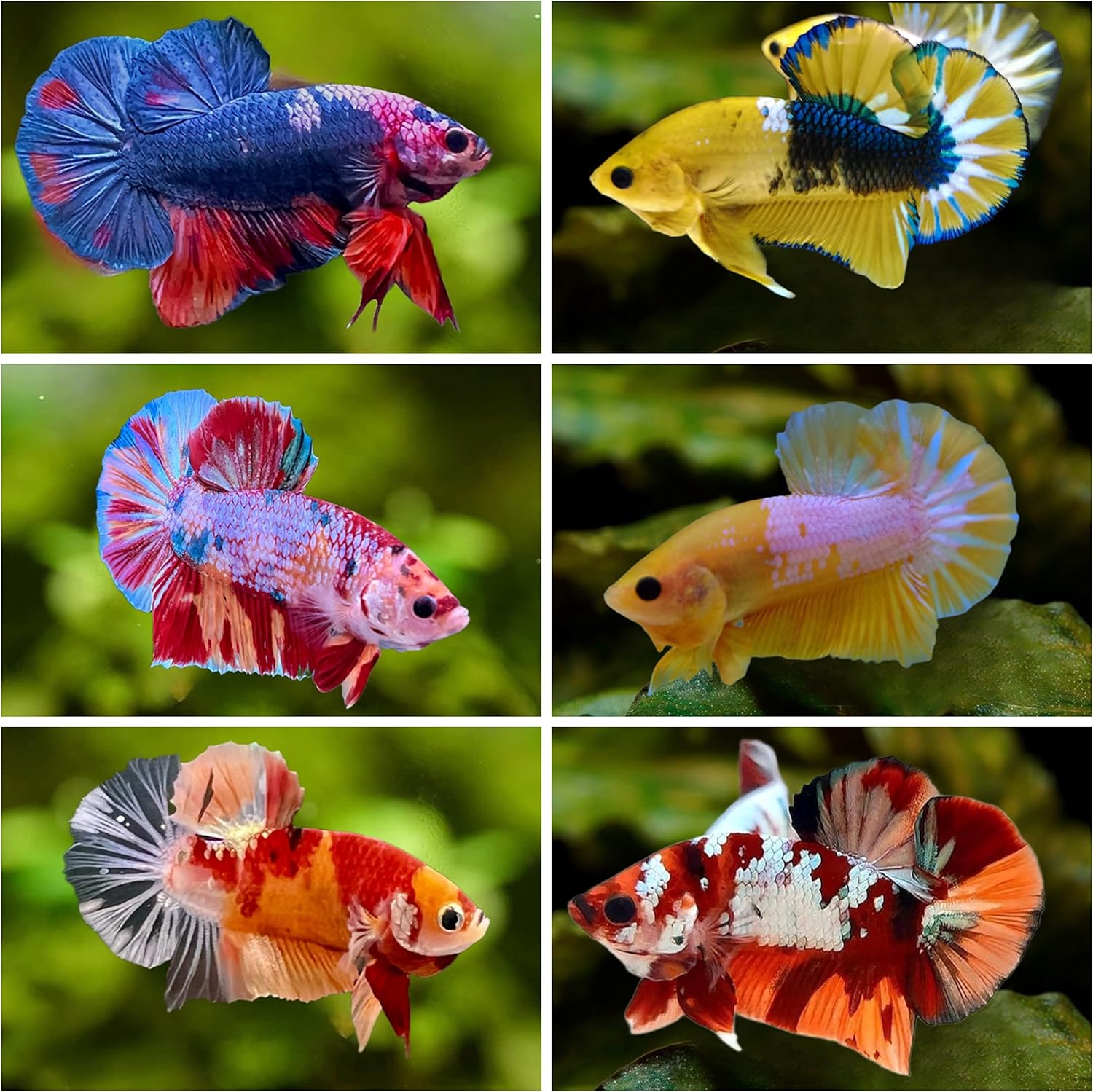
D&A Tropical Breeding Pair – Koi Galaxy Betta Fish (Assorted Colors)
Add an instant splash of living art to your aquarium with the D&A Tropical Koi…
$34.95
Understanding Betta Genetics and Coloration
Basic understanding of genetics helps predict traits.
- Dominant and Recessive Genes: Govern traits like fin type and color patterns. Researching parent genetics helps avoid undesirable traits.
- Color Genes: Interact to produce various hues. Breeding different colors can produce unexpected variations.
- Fin Type: Inherited traits. Crossing different fin types can result in mixed offspring.
Age and Size Considerations
- Male: Ready around 6-8 months, peaking up to 12-18 months.
- Female: Mature around 5-7 months. Breeding too young is stressful; breeding older females (>10-12 months) risks egg binding.
- Size Harmony: Male size relative to female impacts successful embrace and egg fertilization.
Quarantine and Conditioning Your Bettas
- Quarantine (2-4 weeks): Separate tanks to observe for illness. Prevents disease spread.
- Conditioning (1-2 weeks): Heavily feed high-protein live/frozen foods to boost health. Then stimulate egg production, and prepare the male. A well-conditioned female will have a visibly swollen belly.
The Betta Fish Spawning Process
This phase covers everything from the initial introduction to the actual egg laying. This phase requires patience and careful observation.
The “Meet and Greet” Phase
This phase involves introducing the pair of fish.
Cautious introduction minimizes stress and aggression.
- Visual Introduction: Place the female in a clear container inside the male's tank. Observe reactions. The male flares and builds a nest; the female shows vertical “breeding stripes” and curiosity. Separate if extreme aggression or fear is shown.
- Duration: A few hours to a few days, until the male builds a significant nest and the female shows clear breeding stripes.
Courtship Rituals: Flaring and Chasing
Once direct contact is allowed, courtship begins.
- Initial Release: Release the female into the breeding tank.
- Chasing and Flaring: The male chases the female, flaring gills/fins. The female evades but displays breeding stripes.
- Nipping: A male may nip a female's fins. The male may exhibit excessive aggression or engage in relentless attacks without any breaks. These indicate that the female is incompatible; therefore, she should be removed.
The Bubble Nest: Male Betta's Preparation
The male's robust nest indicates readiness.
- Construction: Male blows bubbles coated with saliva, making them stable. The nest is built on the surface, either under a leaf or a floating object.
- Purpose: Incubates eggs, providing protection, moisture, and warmth. Male maintains and expands it.
The Embrace: Spawning and Egg Laying
The climax of courtship.
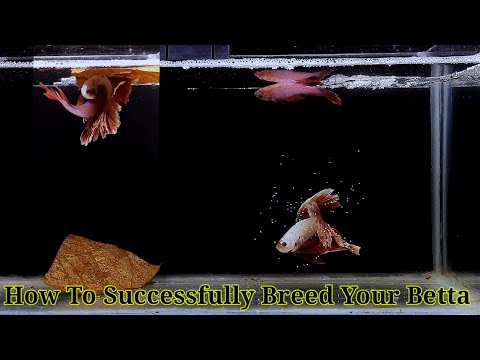
- Nuptial Embrace: The male wraps his body around the female, turning her upside down under the nest.
- Egg Release: The female releases milky white eggs, fertilized by the male. Both become motionless.
- Collecting Eggs: The male collects sinking eggs in his breeding mouth and places them in the bubble nest. Female may assist.
- Repetition: Embracing and egg-laying can repeat dozens of times over several hours to a full day.
Post-Spawning: Removing the Female
It is crucial to remove the female immediately.
- Signs of Completion: The female retreats, loses breeding stripes, and shows disinterest. A male becomes focused on the nest.
- Why Remove: The male becomes intensely aggressive and may injure or kill the female.
- Recovery: Move the female to a separate, quiet recovery tank with warm water and hiding spots. Feed high-quality food.
Caring for Betta Eggs and Newly Hatched Fry
The male betta takes over parental duties.
Male Betta's Role: Guarding the Nest
- Vigilant Father: The male patrols the nest and retrieves falling eggs. The male also removes unfertilized or fungus-ridden eggs and makes necessary adjustments to the nest.
- No Feeding: Do not feed the male during this period (2-3 days) to avoid distraction or water pollution.
Hatching Timeline
- Rapid Development: Eggs hatch within 24-48 hours, depending on temperature.
- Wigglers: Newly hatched fry are “wigglers,” attached to yolk sacs, suspended vertically in the nest, “wiggling” tails. Male collects falling wigglers.
Free-Swimming Fry
This section explains when to remove the male from the tank.
- Yolk Sac Depletion: After 2-3 days as wigglers, fry absorb yolk sacs and become “free-swimming,” able to swim horizontally.
- Male Removal: Once the fry are visibly free-swimming, you should carefully remove the male to prevent him from eating them. Return him to his tank.
Initial Fry Feeding: Infusoria and Microworms
The first week is critical for survival.
- During Days 1 to 3 of free-swimming, fry are too small to eat anything other than infusoria. Feed small amounts multiple times daily.
- Microworms/vinegar eels (Day 3–7 of Free-Swimming): As fry grow slightly, they can consume these slightly larger live cultures.
Rearing Betta Fry to Juvenile Stage
Fry need to evolve as they grow. Progressive feeding includes brine shrimp, daphnia, and crushed flakes.
- Baby Brine Shrimp (Artemia nauplii) (Week 1 onwards): Fry large enough by week 1-2. This food source provides a highly nutritious staple for several weeks. A separate hatching setup is necessary.
- Daphnia: Can be introduced as fry grow larger.
- Gradual Transition (Week 3-4): Introduce finely crushed, high-quality flake food or micro pellets. Continue supplementing with live foods.
- Frequency: Fry require frequent feeding—3-5 small meals per day.
Water Changes and Tank Maintenance for Growing Fry
Maintaining pristine water quality is paramount.
- Daily Water Changes: Small, frequent changes (10-20%) using airline tubing to siphon waste. Replace with temperature-matched, dechlorinated water.
- Gradual Water Level Increase: No rush. Gradually increase the water level over several weeks after male removal.
- Sponge Filter: Continue using a gentle sponge filter for biological filtration and aeration.
Separating Juveniles: Aggression Prevention and Fin Nipping
This process helps prevent aggression and fin nipping among juvenile bettas.
- Aggression Emergence: Male fry show aggression around 4-8 weeks of age.
- Individual Housing: As soon as aggression is observed, house each male individually (e.g., 1-gallon tank or betta jar).
- Female Grouping: Females can often be kept together in a “sorority” tank. However, it is preferable to use heavy planting and hiding spots. They require careful monitoring.
- Space Management: Handling hundreds of fry requires substantial space and resources.
Common Challenges and Troubleshooting
- “Belly Slider” Fry: Swim bladder issues causing difficulty swimming. These issues can be either genetic or environmental in nature.
- Fungus/Disease: Poor water quality or stress can lead to infections. Prompt identification and treatment are crucial. Indian almond leaves help prevent fungal growth on eggs.
- Uneven Growth: Ensure a smaller fry gets enough food by distributing it widely.
- Egg Binding in Female: The female is unable to release eggs, which is potentially fatal.
Advanced Considerations and Common Pitfalls
Responsible breeding involves continuous learning.
Genetic Line Breeding and Outcrossing
- Line Breeding: Breeding related individuals to strengthen desired traits. This process carries the risk of accumulating recessive genes.
- Outcrossing: Have fun! Introducing new bloodlines enhances vigor. Outcrossing introduces new genes and mitigates the effects of inbreeding.
- Mendelian Genetics: Advanced breeders use Punnett squares to predict trait likelihood.
Preventing Diseases in Fry and Juveniles
Clean environments and strong immune systems are key.
- Quarantine New Fish: Always quarantine new fish, plants, or equipment.
- Optimal Water Quality: Water is everything. Consistent water changes, proper filtration, and stable parameters prevent most issues.
- Nutritious Diet: A varied, high-quality diet boosts immunity.
- Stress Reduction: Minimize sudden environmental changes.
- Medication: Use appropriate medications cautiously, especially with young fry.
The Importance of Documentation and Record Keeping
Detailed records are invaluable.
- Breeding Log: Record parents' details and dates (pairing, spawning, hatching, and free-swimming). Additionally, include details about the water parameters, the number of fry, and the feeding schedule. You need observations, problems, successes, and culling details.
- Photography: Document parents and fry at various stages for visual records.
- Genetic Charting: Advanced breeders maintain charts to track lineage and predict outcomes.
Conclusion
Betta fish breeding is a rewarding journey combining genetics and aquaculture. It demands dedication, knowledge, and a commitment to animal welfare. Successful reproduction requires responsible breeding, optimal conditions, and continuous learning. Let's work together to the perpetuation of diverse and healthy betta strains