

Affiliate disclaimer: Some links on this blog are Amazon affiliate links, meaning I may earn a commission at no extra cost to you.
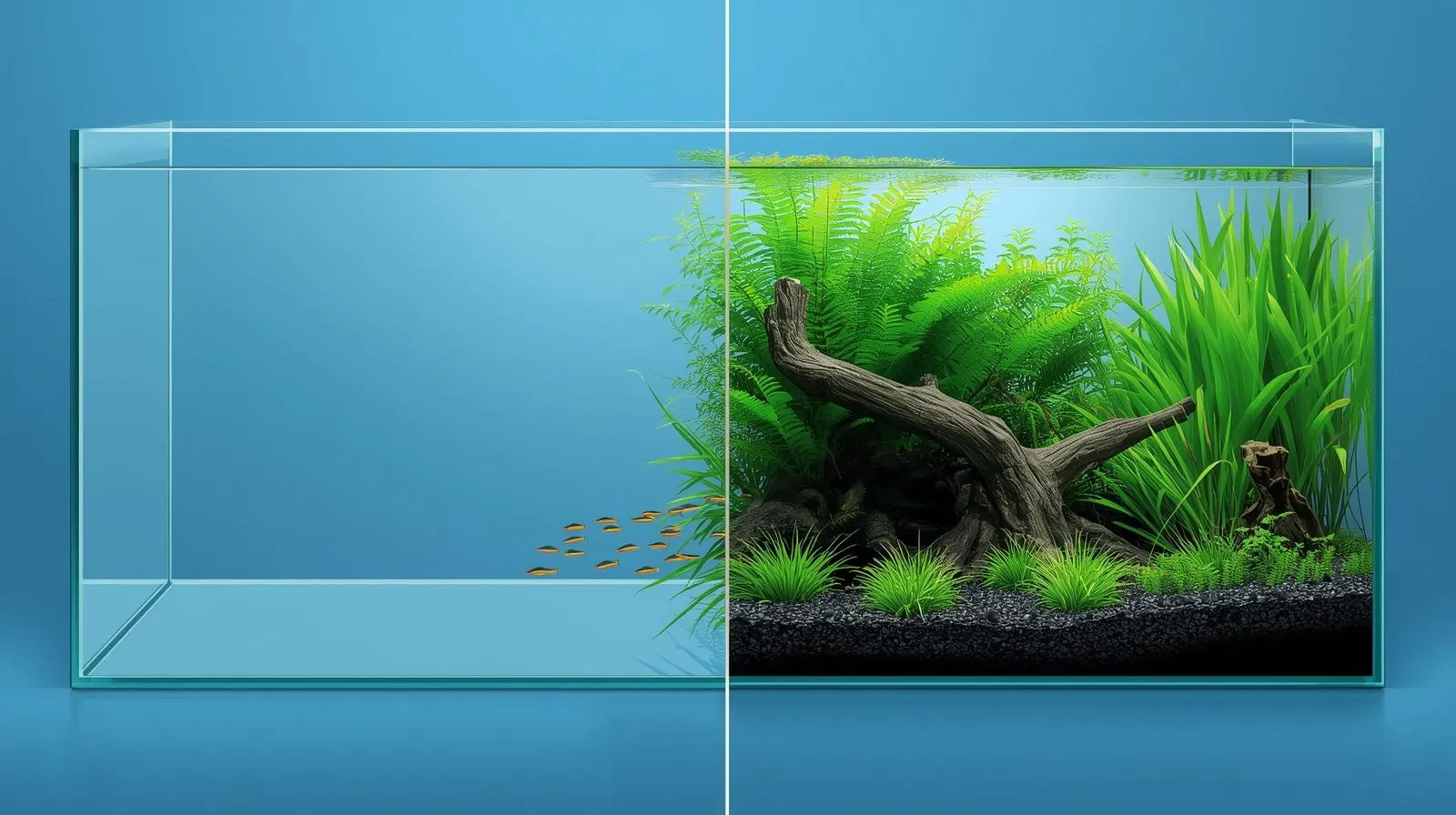
From Bare Tank to Planted Aquarium: A Beginner’s Guide to Starting Aquascaping
Hey there, aquarium enthusiast! If you're reading this, you've probably started with a simple bare tank and are now curious about stepping into the beautiful world of aquascaping. Don't worry—you're not alone! Many beginners feel overwhelmed at first, but transforming your tank into a lush, planted paradise is easier than you think.
In this guide, I'll walk you through the first steps to go from a plain bare tank to a stunning planted aquarium. Whether you're doing it for fun, to improve your fish's habitat, or to create a mini-ecosystem, this beginner-friendly advice will help you succeed. Let's dive in!
Table of Content
What Is Aquascaping?
Aquascaping is the art of designing and arranging aquatic plants, rocks, wood, and other elements in an aquarium to create a natural-looking underwater landscape. Think of it as gardening underwater! It's not just about making your tank look pretty—it can also provide a healthier environment for your fish by improving water quality and reducing stress. For beginners, starting with a planted tank might seem tricky, but with the right approach, it's a rewarding hobby that doesn't require expert skills.
Why Start from a Bare Tank?
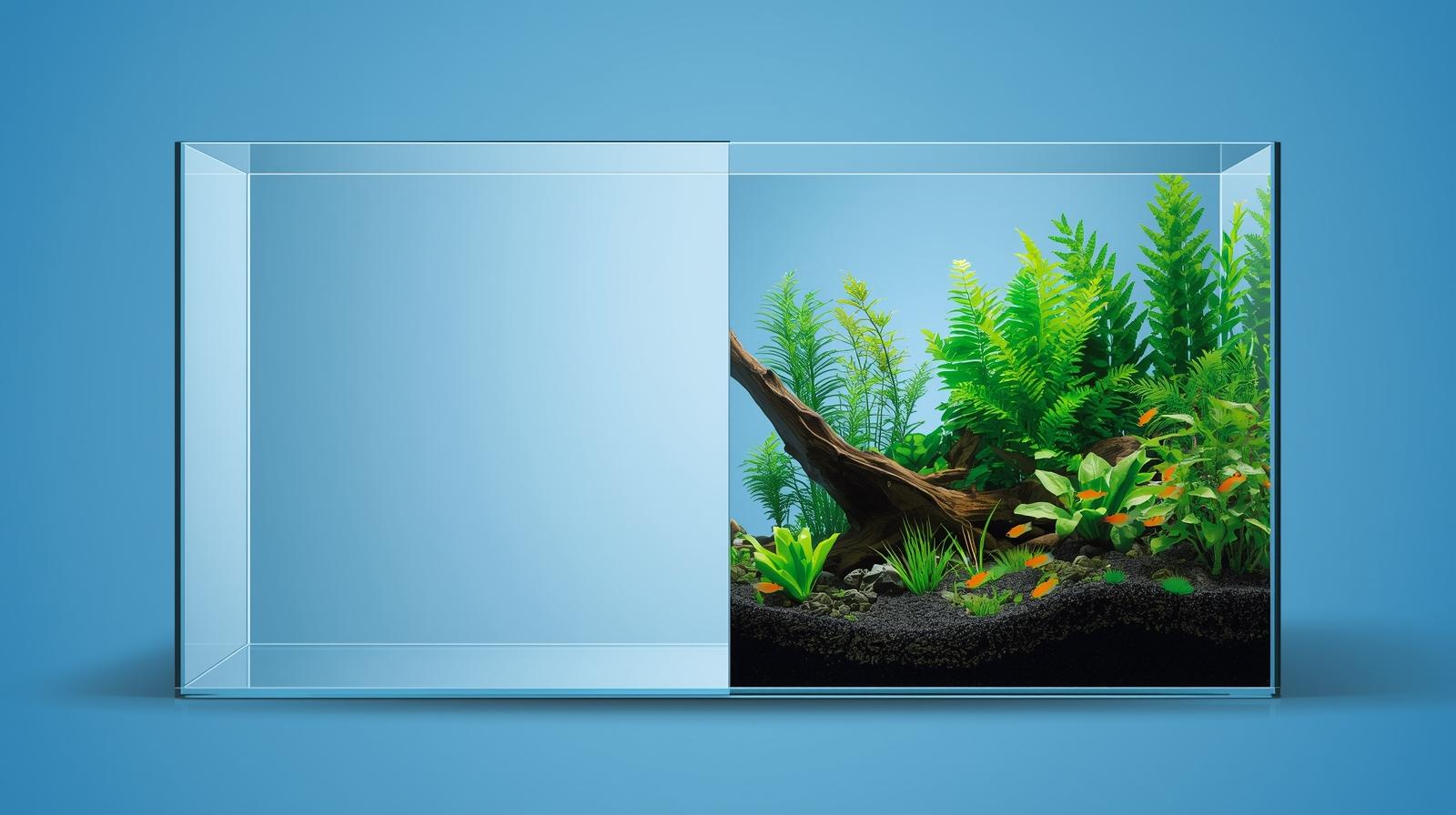
If you already have a bare tank, you're in a great position to begin! A bare tank is essentially a blank canvas—it has no plants or decorations, which makes it easier to plan and set up from scratch. This simplicity helps you avoid common issues like overcrowding or poor water flow. Plus, starting small reduces the risk of mistakes. Many beginners jump into complex setups too soon, but by transitioning slowly, you can learn the basics without frustration. Remember, even professional aquascapers often begin with simple designs!
Essential Equipment and Materials
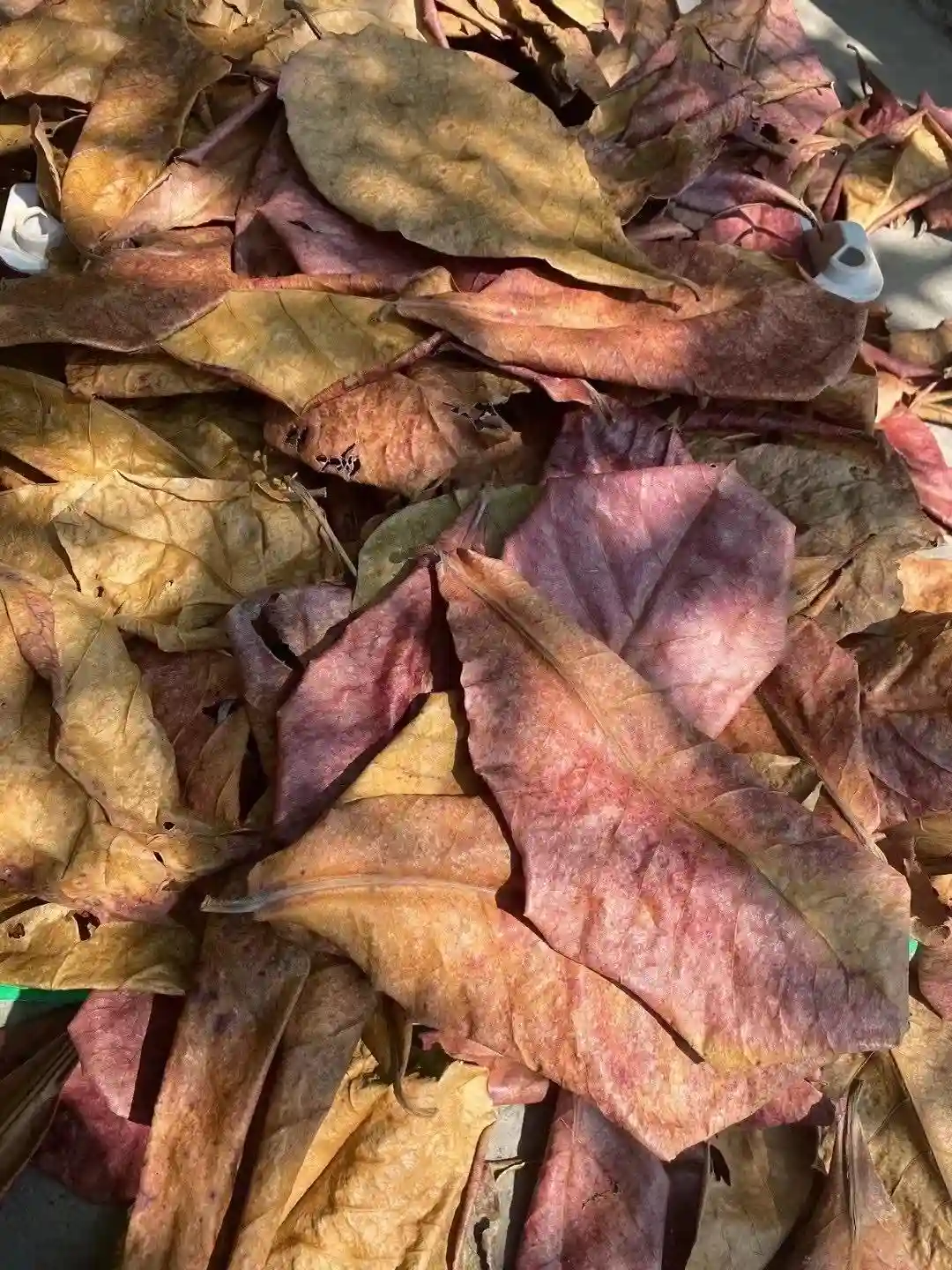
Before you start, gather these basic items. You don't need everything fancy—just the essentials to get going:
- Tank: Your existing bare tank is perfect. A 10-20 gallon size is ideal for beginners.
- Substrate: This is the material at the bottom of your tank. For planted tanks, use nutrient-rich substrates like aquarium soil or sand mixed with gravel.
- Plants: Choose easy-to-grow species like Java Fern, Anubias, or Amazon Sword. They don't need much light or CO₂.
- Lighting: A basic LED aquarium light will do—aim for 6-8 hours of light per day.
- Filter and Heater: These keep the water clean and at a stable temperature (around 72-78°F for most tropical plants and fish).
- Fertilizers: Liquid fertilizers can help plants grow, but start with low doses.
- Tools: Scissors, tweezers, and a water test kit for maintenance.
Don't feel pressured to buy expensive gear; many beginners succeed with budget-friendly options from local pet stores or online.
Step-by-Step Guide to Starting Your First Planted Tank
Follow these simple steps to turn your bare tank into a thriving aquascape:
Plan and Design Your Aquascape
Start by sketching your idea on paper or using an app. Think about where to place plants, rocks, or driftwood. A common design for beginners is the “nature aquarium” style, which mimics natural landscapes. Keep it simple—maybe a group of plants in the background and a focal point like a rock in the center. This planning phase saves time and helps you avoid rearranging things later.
Choose Beginner-Friendly Plants and Fish
Pick plants that are hardy and low-maintenance. Java moss and Cryptocoryne are great choices because they adapt well to different conditions. For fish, consider small, peaceful species like Neon Tetras or Guppies that won't disturb the plants. Always research compatibility—some fish might eat delicate plants! Start with just a few plants and fish to keep things manageable.
Set Up the Tank:
- Add Substrate: Spread a 1-2 inch layer of substrate evenly across the bottom.
- Planting: Use tweezers to gently place plants into the substrate. Bunch taller plants in the back and shorter ones in the front for depth.
- Fill with Water: Slowly add dechlorinated water to avoid disturbing the plants. You can use a plate or bowl to pour water gently.
- Install Equipment: Set up the filter, heater, and light. Turn them on and let the tank run for a day or two before adding fish. This “cycling” process helps establish beneficial bacteria.
Maintenance Tips for Long-Term Success:
- Lighting: Keep lights on for 6–8 hours a day to prevent algae growth.
- Water Changes: Change 10-20% of the water weekly to remove waste and keep parameters stable.
- Fertilizing: Add liquid fertilizers as needed, but don't overdo it—test water regularly for nitrate levels.
- Pruning: Trim overgrown plants every few weeks to maintain shape and health.
Consistency is key! With regular care, your planted tank will flourish over time.
Common Mistakes and How to Avoid Them
As a beginner, it's normal to make mistakes, but here are a few to watch out for:
- Overstocking: Adding too many plants or fish at once can lead to poor water quality. Start slow and add gradually.
- Ignoring Water Parameters: Test water weekly for pH, ammonia, and nitrate levels. Use a test kit to catch issues early.
- Poor Lighting: Too much or too little light can cause algae or plant death. Adjust based on your plants' needs.
- Skipping Research: Always learn about your plants and fish before buying. For example, some plants need CO₂ injection, but beginners can avoid those.
By being patient and doing a little research, you'll avoid these pitfalls and enjoy a healthy aquascape.
Conclusion
Congratulations—you're now equipped with the knowledge to start your aquascaping journey from a bare tank! Remember, every expert was once a beginner, so don't be afraid to experiment and learn as you go.
Aquascaping is a fun, creative hobby that can bring peace and beauty to your home. Share your progress with friends or online communities for support. Ready to take the plunge? Start planning your planted tank today, and soon you'll have a stunning underwater world to enjoy. Happy aquascaping!
People Also Ask (FAQs)
- What is the easiest plant for a beginner aquascape?
Java Fern and Anubias are considered some of the easiest plants for beginners because they do not require strong light or CO₂. They can attach to rocks or driftwood, making them low-maintenance. - How much light does a planted tank need?
Most beginner planted tanks need about 6–8 hours of light per day. Too much light can cause algae, so use a timer to regulate it. - Can I add fish immediately after setting up a planted tank?
No, it's best to wait 1-2 weeks for the tank to cycle and establish beneficial bacteria. This helps ensure a safe environment for fish. - How often should I change the water in a planted tank?
Change 10-20% of the water weekly to maintain water quality. This removes excess nutrients and keeps plants and fish healthy. - Do I need CO₂ for a beginner planted tank?
Not necessarily. Many easy plants thrive without CO₂ injection. Start with low-tech plants and consider adding CO₂ later if you want faster growth.
Reference Links
- Aquascaping Love: A comprehensive resource for aquascaping tips and inspiration. Visit here
- The Aquarium Guide: Offers beginner-friendly advice on planted tanks and maintenance. Check it out
- Aquatic Plant Central: A community forum where you can ask questions and share experiences. Explore now
- Fishkeeping World: Provides guides on aquarium setup and plant care. Learn more
These links are from reputable sources to help you dive deeper into aquascaping. Always cross-reference information for the best results!