

Affiliate disclaimer: Some links on this blog are Amazon affiliate links, meaning I may earn a commission at no extra cost to you.
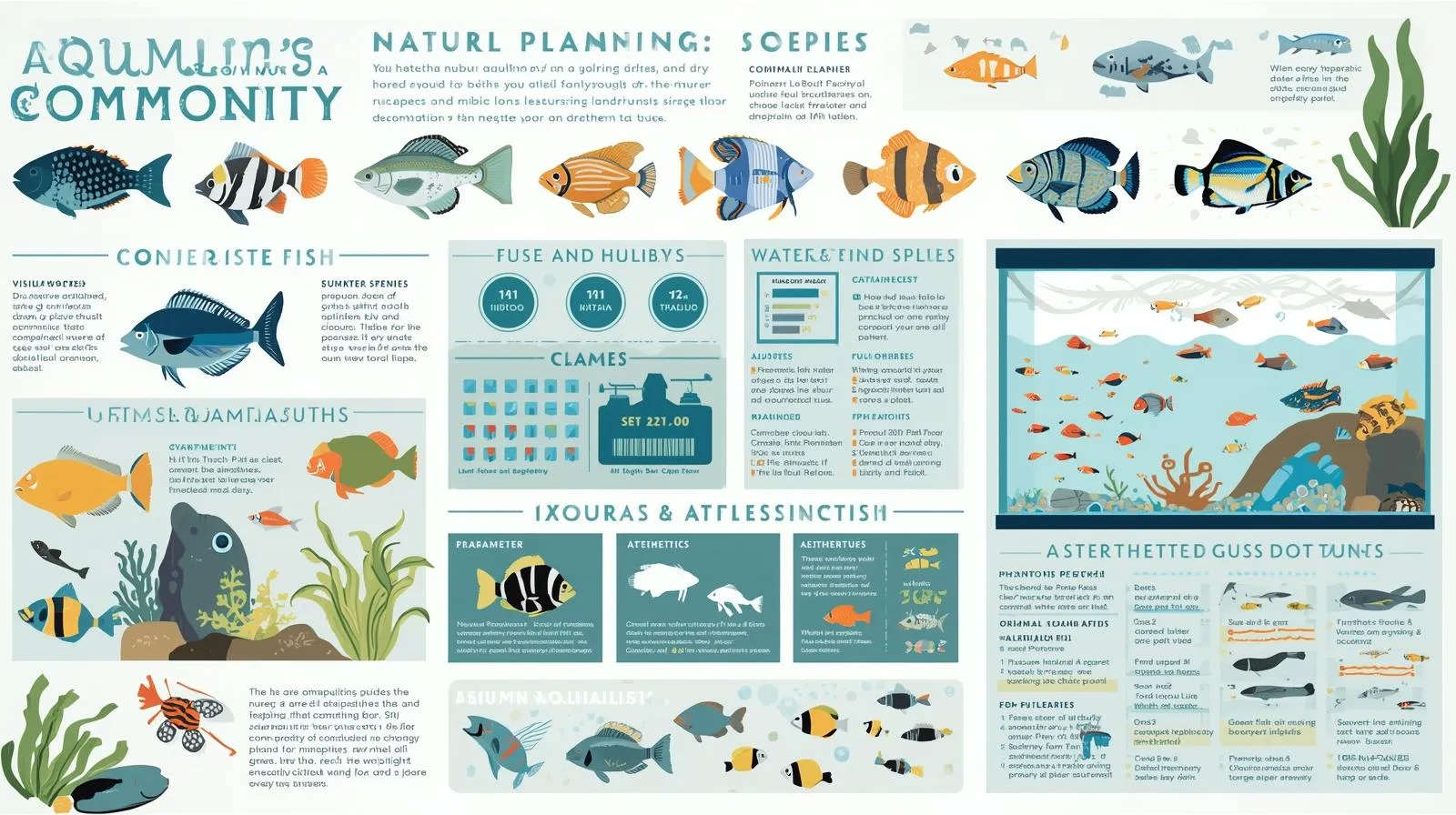
Fish Compatibility Chart
Here is a comprehensive Fish Compatibility Chart, designed as a visual guide for planning a harmonious community aquarium.
Table of Content
How to Use This Chart
This chart groups common freshwater fish by their general temperament and needs. Fish within the same group are typically compatible. Always research individual species for specific water parameters and dietary needs.
| Compatibility Group | Key Characteristics | Ideal Tank Size | Example Species | Caution / Incompatible With |
| Peaceful Community Fish | Docile, small to medium-sized, schooling or shoaling. Prefer heavily planted tanks. | 20+ Gallons | Neon Tetra, Guppy, Platy, Corydoras Catfish, Harlequin Rasbora, Mollies, Zebra Danio, Cherry Barb, Hatchetfish, Otocinclus | Avoid large, aggressive, or fin-nipping fish. |
| Semi-Aggressive Community Fish | Can be territorial, especially during breeding. Need space and hiding spots. | 30+ Gallons | Dwarf Gourami, Pearl Gourami, Angelfish, some Barbs (e.g., Tiger Barb), Rainbowfish, Bolivian Ram, Kribensis | Use Caution: Can bully peaceful fish. Avoid mixing with very timid species. Do not keep with fin-nippers. |
| Bottom Dwellers & Algae Eaters | Generally peaceful and occupy the bottom third of the tank. Essential clean-up crew. | 10-20+ Gallons | Corydoras, Bristlenose Pleco, Otocinclus, Kuhli Loach, Yoyo Loach, Chinese Algae Eater (young) | Note: Some, like the Chinese Algae Eater, can become territorial and aggressive with age. Provide hiding spots. |
| Fin Nippers & Rowdy Schoolers | Active and fast-moving, and may nip at long, flowing fins. Do best in large schools (6+). | 30+ Gallons | Tiger Barb, Serpae Tetra, Black Skirt Tetra, Red-Eyed Tetra | NEVER keep them with slow-moving, long-finned fish like bettas, angelfish, or guppies. Their nipping will cause stress and injury. |
| Aggressive & Predatory Fish | Territorial and carnivorous, and will eat smaller tank mates. Often best in species-only tanks. | 55+ Gallons | Oscar, Jack Dempsey, Flowerhorn, Red-Tailed Black Shark, Convict Cichlid, Arowana | Only for experienced keepers. Will view most community fish as food. Requires careful, selective tankmate choices. |
| Solitary & Special Cases | Not suitable for standard community tanks due to specific needs or temperament. | 5-20+ Gallons | Betta (Siamese Fighting Fish): Males are highly aggressive to other males and similar-looking fish. Goldfish: Produce too much waste and require much cooler water than tropical fish. African Cichlids: Require very hard, high-pH water and are highly territorial. | Betta: Can sometimes live with very peaceful, small fish (e.g., Neon Tetras, Corydoras) in a large, well-planned tank. Goldfish & African Cichlids: Best kept in species-specific tanks. |
🟢 Key Compatibility Factors
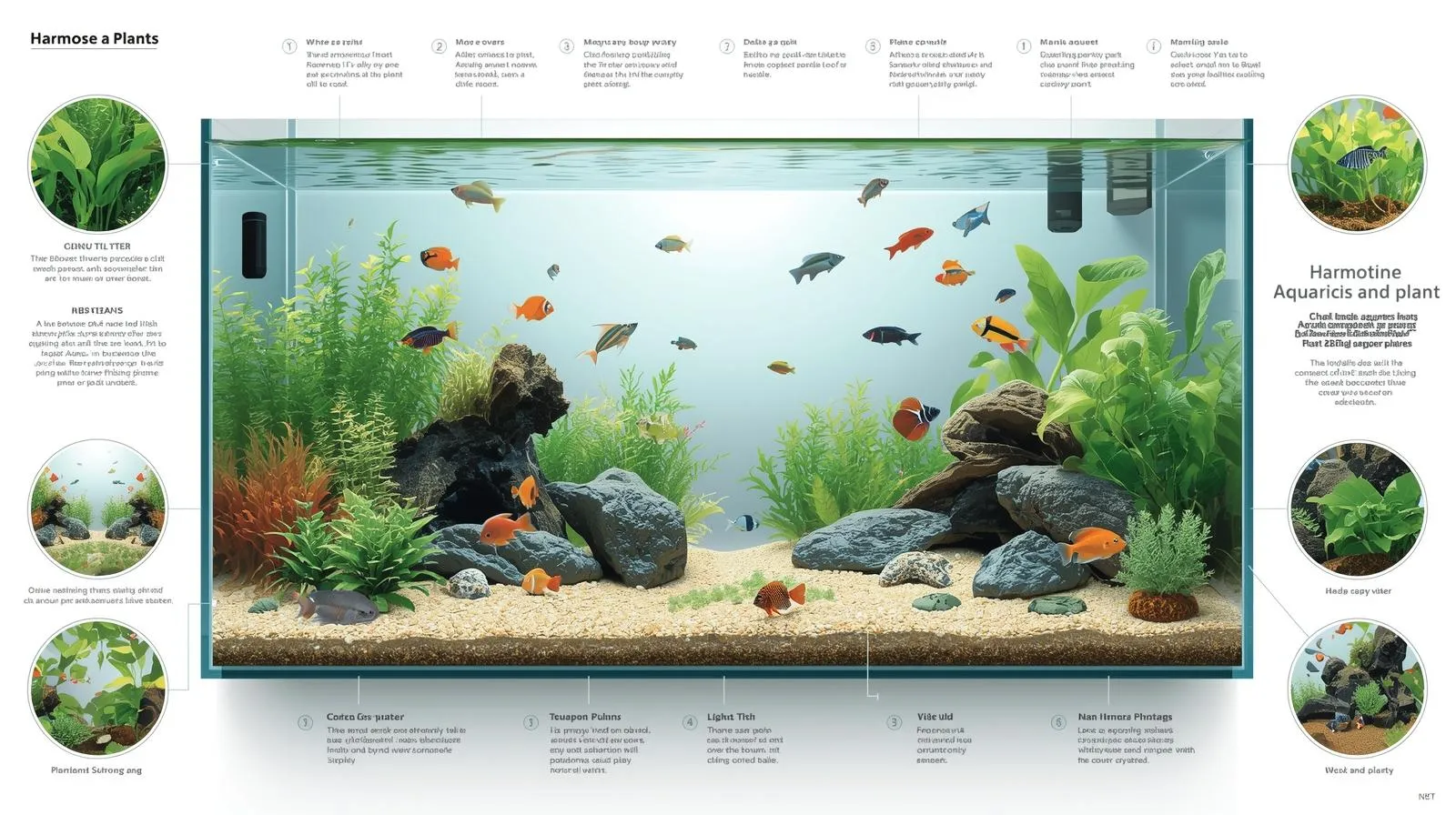
1. Temperament & Behavior
This is the most important factor.
- Schooling Fish: Must be kept in groups of 6 or more to feel secure. A lone schooling fish will be stressed.
- Territorial Fish: Need defined spaces, caves, and visual barriers to establish their territory without constant conflict.
- Fin Nippers: A major cause of stress and disease. Know which fish have this tendency.
- Predatory Instinct: “If it fits in its mouth, it's food.” This is a golden rule in fishkeeping.
2. Water Parameters
Fish from different parts of the world have evolved in different water conditions.
- pH: Acidic (<7.0), Neutral (~7.0), or Alkaline/Basic (>7.0)
- Hardness (GH & KH): Soft water vs. Hard water.
- Temperature: Tropical fish generally need 75-80°F (24-27°C). Goldfish are coldwater fish.
- Pro Tip: Success is easier when you choose fish that all originate from similar environments (e.g., South American soft-water fish like tetras and angelfish, or Southeast Asian hard-water fish like guppies and mollies).
3. Tank Size & Swimming Zones
- Tank Size: Overstocking is a primary cause of aggression and poor water quality. Use the “one inch of fish per gallon” rule as a very rough starting point, but consider the fish's adult size and waste production.
- Swimming Zones: Create a balanced tank by stocking fish that prefer different levels.
- Top: Hatchetfish, Guppies, Betta
- Mid-Water: Tetras, Rasboras, Barbs, Rainbowfish
- Bottom: Corydoras, Loaches, Plecos
✅ Sample Community Tank Blueprints
Starter Community (20-Gallon Long)
- Mid-Water: 6x Neon Tetras
- Mid-Water: 6x Cherry Barbs
- Bottom: 4x Panda Corydoras
- Clean-Up Crew: 1x Bristlenose Pleco (will need a larger tank as an adult) or 3x Otocinclus
- This works because all are peaceful, prefer water conditions, and occupy different zones.
Advanced Community (55-Gallon)
- Centerpiece: 1x Pair of Angelfish
- Mid-Water School: 12x Rummy-Nose Tetra
- Active School: 8x Zebra Danio
- Bottom Dwellers: 6x Kuhli Loaches & 1x Bristlenose Pleco
- This works because the tank is large enough for the angelfish's territory. The tetras and danios are fast enough to avoid any minor aggression and school beautifully.
Final Pro Tip: Always quarantine new fish for 2-4 weeks before introducing them to your main display tank to prevent the spread of disease. Happy fishkeeping!
Download this fish-compatible fishkeeping chart.
Look for more useful guides and tips in the aquarium resources download, or you can make a copy or save it to your Google Drive.