


Affiliate disclaimer: Some links on this blog are Amazon affiliate links, meaning I may earn a commission at no extra cost to you.
Can Betta Fish Live with Other Betta Fish
Discover the complex truth about Siamese fighting fish compatibility, social structures, and the safest tank environment for your aquatic companion.
The Nature of Male Betta Aggression
Male betta fish (Betta splendens), famously known as Siamese fighting fish, are inherently aggressive. In their natural Southeast Asian habitats, males are fiercely territorial. In the confines of a home aquarium, this instinct translates to violent confrontations that frequently result in severe injury or death.
The Fundamental Rule
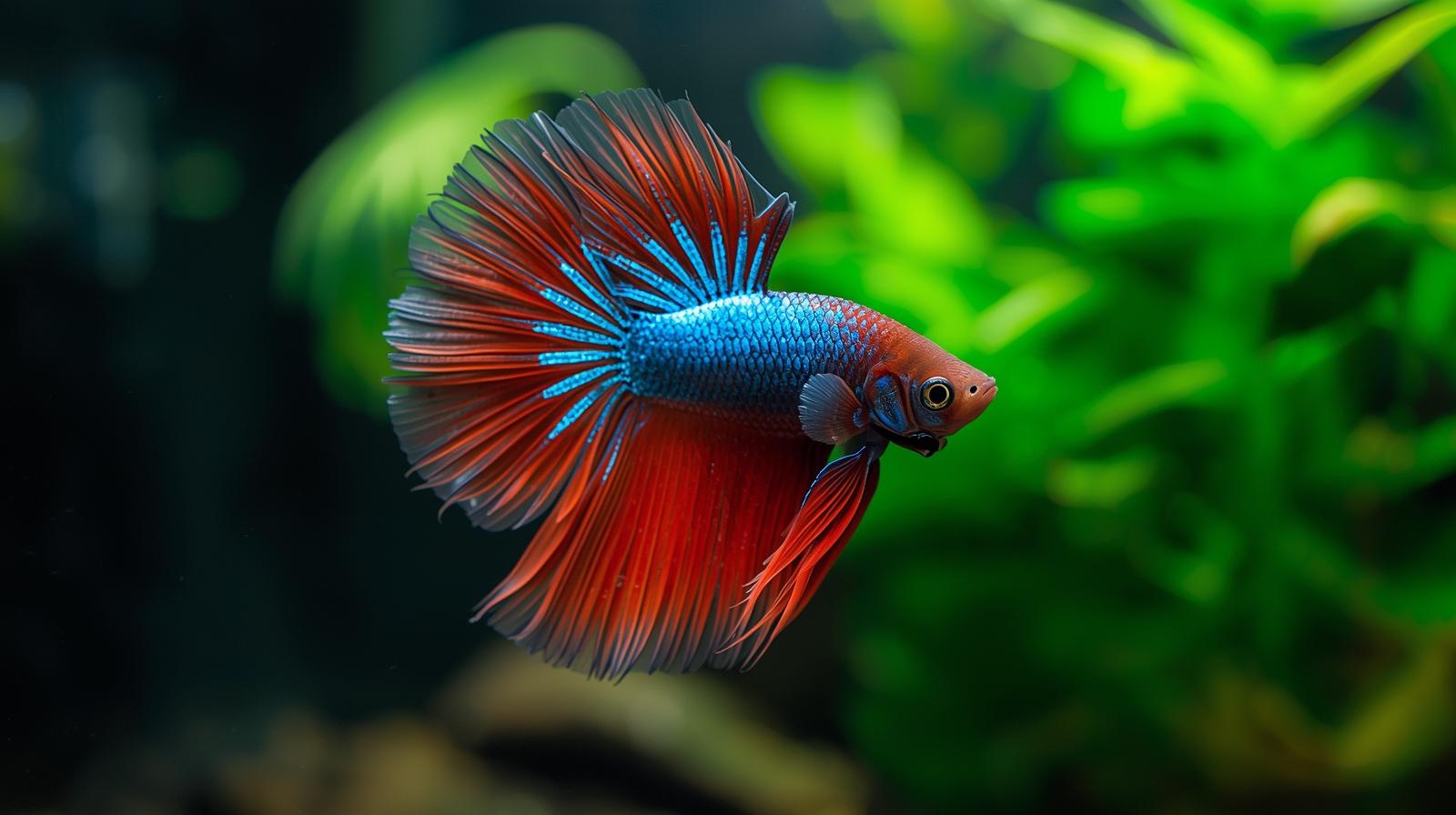
Male betta fish must always be housed individually. There are virtually no exceptions in home aquaria.
Equipped with a highly developed lateral line system and sharp eyesight, bettas are hyper-aware of their surroundings. This aggression isn't limited to other males; it can extend to any fish with long fins or bright colors that a betta might perceive as a rival. Even their reflection can trigger a stressful “flaring” display.
Male and Female Interactions
While many assume opposite sexes can cohabitate, the reality is far more complex. Permanent cohabitation is strictly discouraged. Males may relentlessly pursue females for mating, leading to fatal exhaustion or stress. Conversely, an unreceptive female can become equally aggressive.
*Spawning should only be attempted by experienced breeders with dedicated recovery tanks and constant supervision.
The Betta Sorority: A Nuanced Social Structure
Unlike males, female bettas can sometimes live together in what is known as a “sorority.” However, this is an advanced setup that requires precision, planning, and a deep understanding of fish behavior.
1. Tank Dimensions
A minimum 20-gallon “long” tank is required. A larger footprint provides more floor space for individual territories than a tall, narrow tank.
2. Power in Numbers
Aim for an odd number (5, 7, or 9). This helps distribute aggression so no single fish becomes the sole target of bullying.
3. Environmental Complexity
Dense planting is non-negotiable. Use live or silk plants and driftwood to break lines of sight and provide safe havens.
4. Pristine Water
Keep temperature between 76 and 82°F and nitrogen levels at 0 ppm. Stress from poor water quality triggers aggression.
Risks of the Sorority
- Persistent Bullying: Constant harassment of weaker individuals.
- Fin Nipping: While less severe than in males, it can lead to secondary infections.
- Sudden Failure: Sororities can “crash” overnight if the hierarchy shifts.
Expanding the Community: Suitable Tank Mates
Single bettas often thrive with non-betta species that don't trigger their territorial instincts. Look for peaceful, fast-moving, or bottom-dwelling companions.
Recommended Companions
Neon Tetras
Corydoras
Otocinclus
Nerite Snails
Amano Shrimp
Ember Tetras
Species to Avoid
Male Bettas
Guppies
Angelfish
Tiger Barbs
Goldfish
Cichlids
Debunking Myths
- Myth: “Bettas need small bowls.”
Truth: They need 5+ gallons with filters. - Myth: “Males can live together in large tanks.”
Truth: They will fight regardless of volume.
Expert Advice 2025
The current consensus favors species-appropriate care. For most keepers, a single betta in a meticulously maintained 5- or 10- gallon tank remains the gold standard for fish health and longevity.
Introduction Protocol
Step 1: Quarantine
Always quarantine new additions for 2-4 weeks to prevent disease spread.
Step 2: Tank Mates First
Introduce peaceful tank mates before the betta so the betta enters a “shared” space rather than defending established territory.
Step 3: Vigilant Monitoring
Watch closely for the first 72 hours. Please have a backup tank ready right away in case any aggression arises.
Final Verdict
Keeping bettas is a rewarding experience when done with respect for their biology. While sororities offer a beautiful challenge for experts, the safest path is always solitary housing or peaceful community tanks with non-betta species.