

Affiliate disclaimer: Some links on this blog are Amazon affiliate links, meaning I may earn a commission at no extra cost to you.
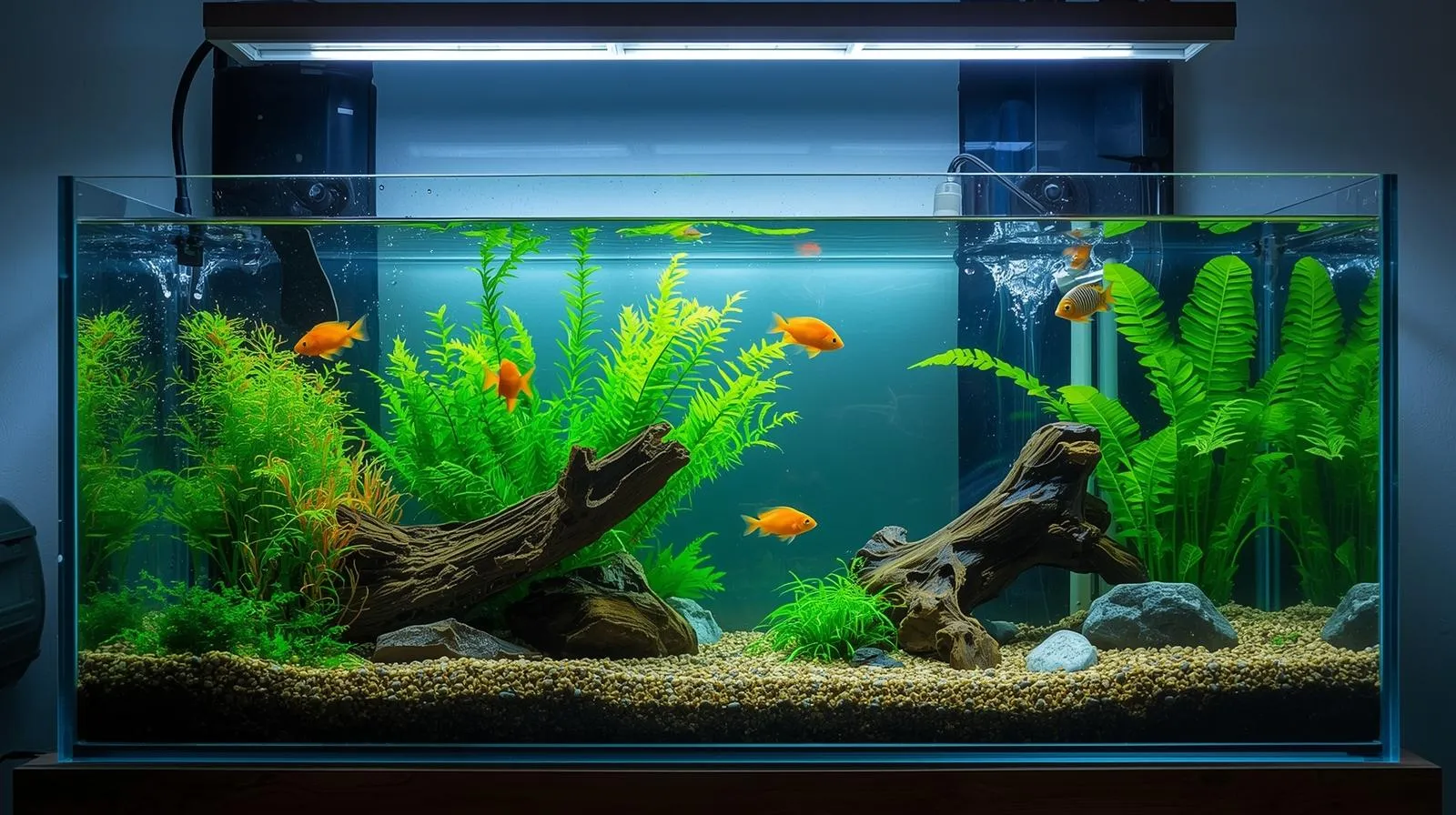
Budget-Friendly Aquarium Setup: A Beginner’s Guide to High-Value Equipment
Starting your first aquarium doesn't have to drain your wallet. With smart choices and an understanding of what truly matters, you can create a thriving aquatic ecosystem without breaking the bank. This guide walks you through the entire setup process, focusing on cost-effective equipment that delivers real value.
Choosing Your Tank: Size Matters More Than You Think
Counterintuitively, bigger is often better—and sometimes cheaper in the long run. A 20-gallon tank is far more forgiving than a 5-gallon bowl because larger water volumes stabilize temperature and chemistry more effectively.
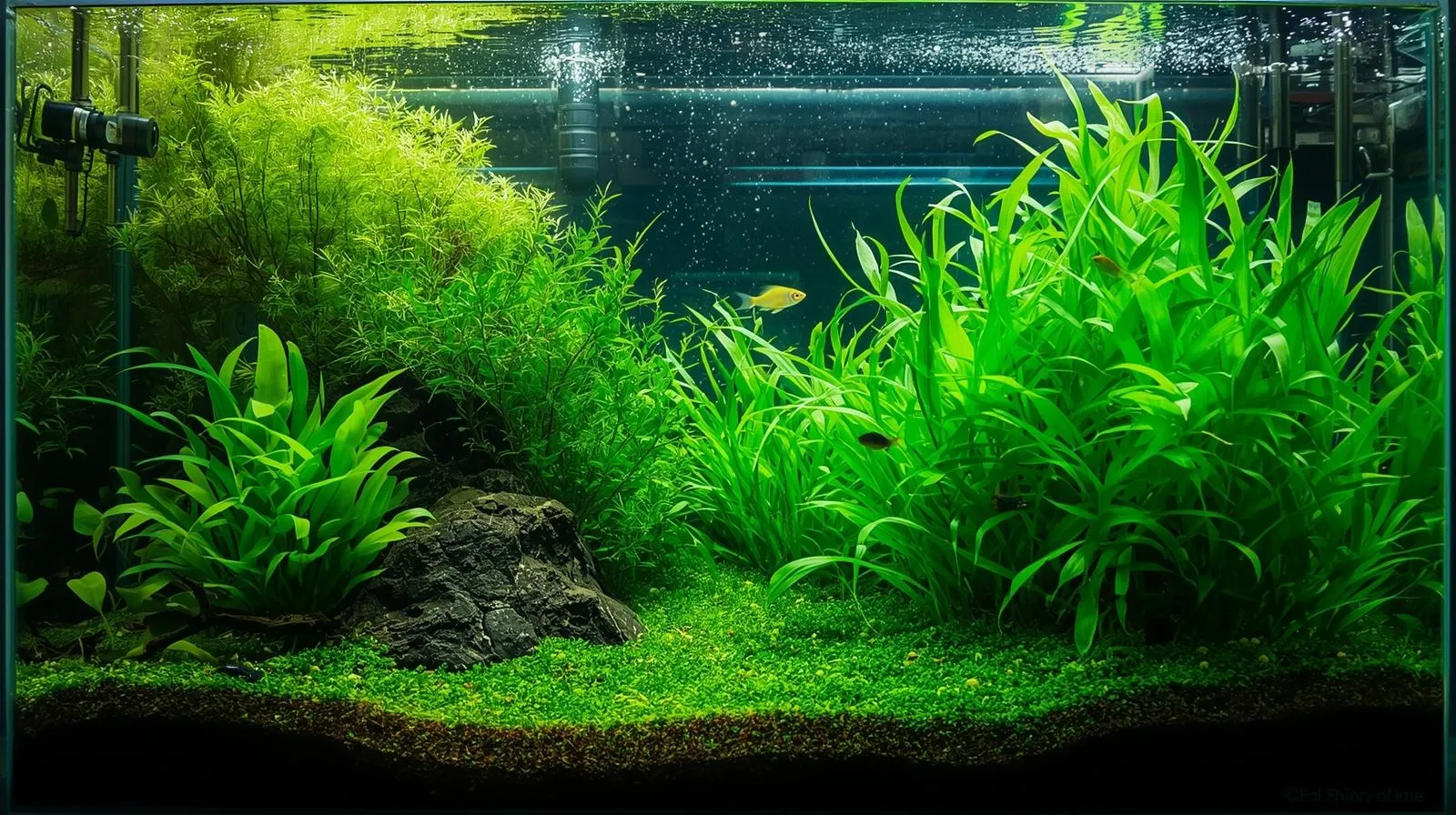
Budget-friendly options:
- Standard glass tanks during pet store sales (often 50% off)
- Second-hand tanks from local classifieds (inspect for cracks and seal integrity)
- Starter kits that bundle tank, filter, and lid
Cost reality check: A quality 20-gallon setup typically runs $50-100, while maintaining a problematic small tank can cost more in the long run through fish losses and constant water adjustments.
Table of Content
Filtration: The Heart of Your System
Filtration is the one area where you should never compromise. Your filter performs biological, mechanical, and chemical filtration—keeping ammonia and nitrites at safe levels while removing debris.
High-value filter options:
Hang-on-back (HOB) filters provide excellent value for beginners. Models like the AquaClear series offer adjustable flow rates and easy maintenance. Expect to spend $25-40 for a filter rated for your tank size.
Sponge filters are the budget champion at $10-15. Powered by an air pump, they provide superior biological filtration and are nearly indestructible. They're ideal for tanks up to 20 gallons, though less aesthetically sleek than other options.
Pro tip: Always choose a filter rated for 1.5x your tank volume. A filter rated for 30 gallons on your 20-gallon tank provides better turnover and longer intervals between cleanings.
Lighting: Matching Needs to Goals
Lighting costs vary wildly based on your ambitions. For a fish-only tank, basic LED fixtures work perfectly. Your investment is different if you're planning live plants.
Fish-only setups: Basic LED hoods cost $20-40 and provide adequate illumination. Look for fixtures with timers to maintain consistent day-night cycles, which reduce fish stress.
Planted tank lighting: This method requires more consideration. Budget-friendly options include Nicrew and NICREW ClassicLED lights ($30-50), which provide sufficient PAR (photosynthetically active radiation) for low- to medium-light plants like java fern, anubias, and cryptocoryne species.
Energy efficiency note: LED lighting costs roughly $3-8 annually to run versus $20-40 for older fluorescent systems—the upfront investment pays for itself.
Temperature Control: Heaters and Thermometers
Most tropical fish thrive at 75-78°F, requiring a reliable heater in most homes.
Heater selection: Choose submersible heaters with adjustable thermostats. Budget models from brands like Aqueon and Tetra cost $15–$25 for tanks up to 30 gallons. The standard rule is 3-5 watts per gallon—a 20-gallon tank needs a 50-75 watt heater.
Essential backup: A quality thermometer costs just $3-8. Glass alcohol thermometers or digital displays prevent the common beginner mistake of not noticing heater failure until fish show distress.
Safety consideration: Position heaters near filter outflow to distribute heat evenly and prevent localized hot spots.
Substrate and Hardscape: Function Meets Aesthetics
Substrate choice affects both budget and tank function. You have several routes depending on your goals.
Inert substrates, like pool filter sand or Black Diamond blasting sand, cost $8–15 for enough material for a 20-gallon tank. These are ideal for fish-only setups or tanks with few plants. Regular aquarium gravel costs slightly more, at $15–25, but comes in various colors.
Plant-friendly substrates include alternatives like Seachem Flourite or organic potting soil capped with sand—budget options that support root-feeding plants without the $40-60 cost of premium aquasoils.
Hardscape materials: Rocks from your local landscape supply and driftwood from pet stores or online retailers create visual interest. Manzanita and Malaysian driftwood pieces cost $10–30, depending on size. Always boil or soak driftwood before adding it to remove tannins and contaminants.
Budget hack: Create hiding spots using terracotta pots (broken into caves), PVC pipe hidden behind rocks, or stacked stones secured with aquarium-safe silicone.
Cycling: The Most Important Step You Can't Skip
Before adding fish, your tank must develop beneficial bacteria that convert toxic ammonia to less harmful nitrates. This nitrogen cycle typically takes 3-6 weeks but is absolutely crucial.
Cycling supplies you need:
- An ammonia source, such as pure ammonia or fish food, costs between $5 and $10.
- The API Master Test Kit, which is the gold standard for water testing, costs between $25 and $35.
- Patience (free but invaluable)
The cycling process:
graph LR
    A[Add Ammonia] --> B[Bacteria Convert to Nitrite]
    B --> C[Different Bacteria Convert to Nitrate]
    C --> D[Nitrate Removed via Water Changes]
    D --> E[Cycle Complete: Add Fish]

    style E fill:#90EE90
Monitor ammonia and nitrite levels daily. When both read zero after adding ammonia, and nitrates are present, your tank is cycled and ready for inhabitants.
Fish Selection: Stocking for Success
Overstocking is the most common beginner mistake. The “one inch of fish per gallon” rule is outdated—instead, research each species' adult size, bioload, and behavior.
Hardy, budget-friendly beginner fish:
Danios (zebra, leopard, and celestial pearl) are active and peaceful and cost $2-4 each. They tolerate a range of water parameters and add movement to your tank.
Platies and mollies ($3-5) are colorful livebearers that breed readily—sometimes too readily. They're excellent for learning about fish behavior and care.
Corydoras catfish ($4-7) are peaceful bottom-dwellers that school beautifully in groups of 6 or more. They help keep substrates clean and are endlessly entertaining.
Tetras like neon or ember tetras ($2-3 each) create stunning schools and thrive in planted tanks. A 10-12 school creates an impressive visual impact.
Stocking strategy for a 20-gallon tank:
- 1 school of 8-10 small tetras or rasboras
- 6 corydoras catfish
- 3–4 centerpiece fish, like platies or guppies
This provides visual interest at multiple tank levels without overwhelming your filtration system.
Ongoing Maintenance: Building Sustainable Habits
Regular maintenance prevents problems and keeps costs low. Establishing routines from day one makes fishkeeping enjoyable rather than overwhelming.
Weekly tasks (15-20 minutes):
- 25-30% water change using a siphon gravel vacuum ($10-15)
- Test water parameters (ammonia should always be zero, nitrites zero, and nitrates under ppm).
- Inspect fish for signs of illness or stress
- Remove excess algae with a magnetic scraper ($8-12)
Monthly tasks:
- Rinse filter media in old tank water (never tap water, which kills beneficial bacteria)
- Trim dead plant leaves
- Clean glass inside and out
Cost-saving water change tip: Use a bucket and mark the fill line, or invest in a Python water changer ($30-45) that connects to your faucet—it pays for itself in convenience after a few months.
The Hidden Costs: Planning Ahead
Beyond setup, budget for ongoing expenses:
- Water conditioner: $8-12 every 3-4 months
- Fish food: $5-10 monthly for quality flakes or pellets
- Electricity: $5-10 monthly for filter, heater, and lights
- Emergency medication: Keep $20-30 in reserve for treatments
Annual cost estimate: After initial setup, expect $150-250 yearly for a well-maintained 20-gallon community tank—less than many hobbies and far less stressful than replacing dead fish from cutting corners.
Essential Equipment Checklist and Budget Breakdown
Here's a realistic budget for a complete 20-gallon planted community tank setup:
pie title Budget Breakdown for 20-Gallon Setup
    "Tank & Stand" : 60
    "Filtration" : 35
    "Heater & Thermometer" : 25
    "Lighting" : 40
    "Substrate & Decor" : 30
    "Test Kit & Supplies" : 35
    "Initial Fish Stock" : 50
    "Miscellaneous" : 25
Total estimated cost: $300-350 for a complete, quality setup that will last years. This can be reduced to $200-250 by choosing second-hand tanks, sponge filters, and simpler lighting.
Final Thoughts: Value Over Price
The cheapest equipment often costs more through failures, replacements, and lost livestock. Focus your budget on filtration and heating—these keep fish alive. You can always upgrade lighting or add decorations later, but replacing dead fish due to inadequate life support is both expensive and disheartening.
Start small, stock slowly, and enjoy the process. The aquarium hobby rewards patience and research far more than it rewards spending. With the approach outlined here, you'll build a thriving ecosystem that brings years of enjoyment without financial stress.
Remember: the best aquarium isn't the most expensive one—it's the one you maintain consistently and stock responsibly. Welcome to the hobby, and happy fishkeeping!